World · India Bureau
Ancient Martian meteorite discovered in Sahara reveals red planet's watery past
A space rock found in the Sahara Desert has been identified as a 4.1 billion-year-old fragment of Mars, offering scientists rare insights into the early history of the red planet when liquid water flowed across its surface.
LSN India ·
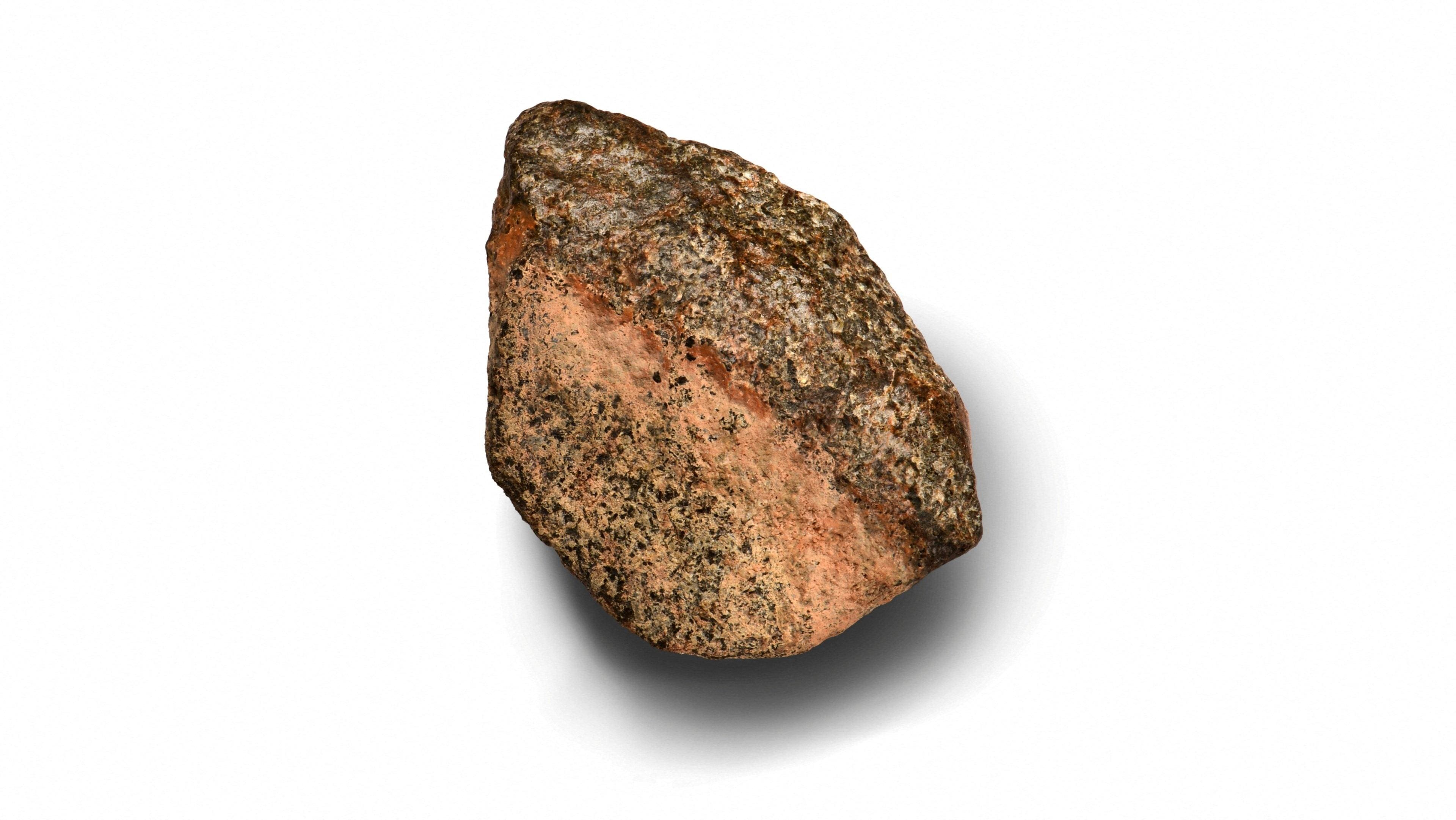
Researchers analysing the meteorite have determined it originated from Mars based on its mineral composition and isotopic signatures. The specimen, which fell to Earth after being dislodged from the Martian surface by an asteroid impact, preserves a remarkable geological record from the planet's ancient past.
The minerals contained within the space rock provide crucial evidence that Mars experienced conditions suitable for liquid water during its formative period, billions of years before the planet lost most of its atmosphere and became the arid world observed today. This discovery adds to the growing body of evidence suggesting that early Mars may have harboured environmental conditions potentially conducive to life.
Meteorites originating from Mars are exceedingly rare finds, as only a small fraction of material ejected from the planet's surface reaches Earth. The Sahara Desert has proven to be a particularly productive location for meteorite hunting, as the arid landscape makes detection easier and the dark space rocks stand out against the sandy terrain.
The analysis of such Martian samples provides scientists with direct material evidence about the red planet's geological evolution, complementing data gathered by robotic rovers and orbital missions. Understanding Mars' early climate and hydrology remains central to unravelling how the planet transformed from a potentially habitable world into the cold, dry environment of today.