World · India Bureau
Ancient masonry technique offers low-cost cooling alternative to air conditioning
The Rat Trap Bond method, a traditional bricklaying technique that creates air cavities within walls, is gaining attention as an energy-efficient and cost-effective way to naturally regulate indoor temperatures. The approach reduces heat transfer while minimizing material waste during construction.
LSN India ·
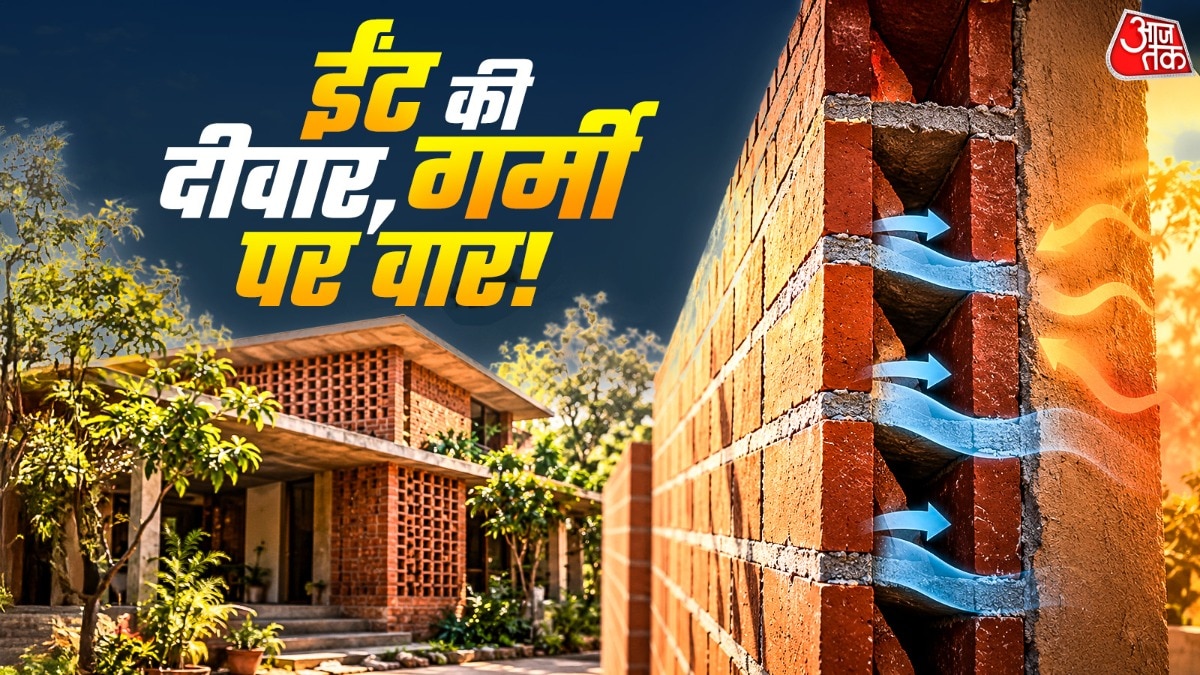
Homeowners looking to reduce cooling costs without investing in expensive air conditioning systems are turning to the Rat Trap Bond technique, a masonry method that harnesses natural ventilation principles to keep buildings cooler.
The technique involves laying bricks in a distinctive pattern that creates air pockets within wall structures. By positioning clay bricks vertically rather than in conventional horizontal arrangements, builders create hollow cavities that serve as natural insulation, reducing the rate at which heat penetrates interior spaces.
Beyond thermal benefits, the method offers financial advantages for construction projects. The strategic placement of bricks results in measurable savings on both brick consumption and mortar requirements compared to traditional masonry approaches, making it an economical choice for budget-conscious builders across India's warm climate zones.
Engineers and architects note that while the Rat Trap Bond method works best as part of a comprehensive cooling strategy—including proper ventilation, shading, and building orientation—it can substantially decrease reliance on mechanical cooling systems, particularly in regions experiencing moderate to high temperatures. The technique represents a fusion of traditional knowledge and practical energy management, offering a sustainable alternative for new construction and renovation projects seeking natural temperature regulation solutions.