Culture & Entertainment · India Bureau
Ancient Maya temples' mercury pigment polluted lakes for centuries
Archaeological research reveals that the ancient Maya civilization's use of mercury-laden red pigment in temple decoration and religious rituals left a lasting toxic legacy in nearby water bodies. The contamination persisted for centuries, affecting aquatic ecosystems and potentially impacting human populations.
LSN India ·
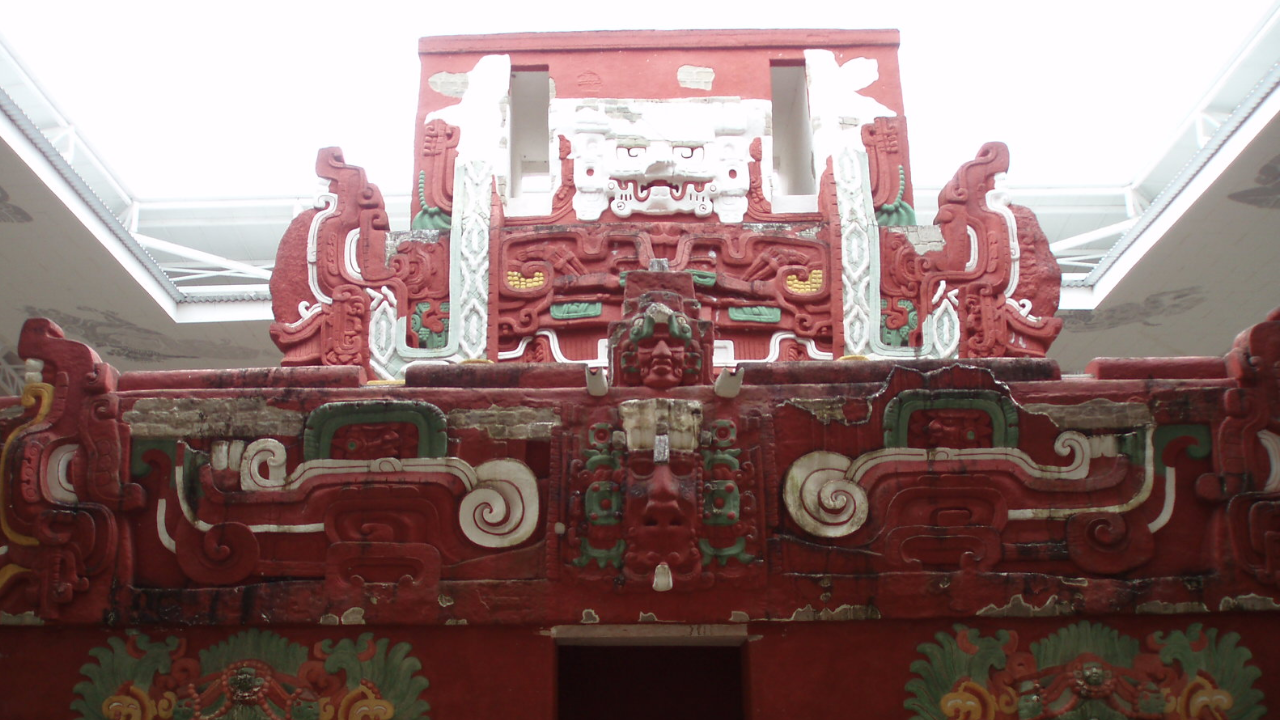
Scholars studying pre-Columbian Maya sites have documented extensive mercury pollution in lakes adjacent to ancient ceremonial centers, tracing the contamination to the widespread use of cinnabar-based red pigments in temple decoration and ritual practices. The mercury-rich mineral, valued for its vivid coloring properties, was applied to architectural elements and used in religious ceremonies across multiple Maya settlements.
The research demonstrates that this decorative practice resulted in measurable mercury accumulation in lake sediments that persisted across centuries. Scientists examining core samples from water bodies near archaeological sites found elevated mercury concentrations that corresponded with periods of active Maya occupation and temple construction.
The environmental consequences extended beyond simple contamination. Elevated mercury levels in aquatic ecosystems affected fish and other organisms that formed part of the food chain. Given that aquatic resources were crucial to Maya subsistence and trade networks, the contamination likely had cascading effects on human populations reliant on lake and river resources.
Multiple Maya sites across the region show similar patterns of mercury contamination, suggesting the practice was not isolated but rather represented a widespread cultural and religious pattern. The findings highlight how ancient civilizations' interactions with their environment could create long-term ecological impacts that persisted well beyond periods of active human settlement.