World · World News Bureau
Ancient Neanderthal wound hints lethal violence shaped early human societies
Researchers have identified a 75,000-year-old spear wound on a Neanderthal skeleton, providing evidence that organized violence may have been far more prevalent in prehistoric human societies than previously understood. The discovery suggests lethal conflict played a significant role in shaping early human life.
LSN World News ·
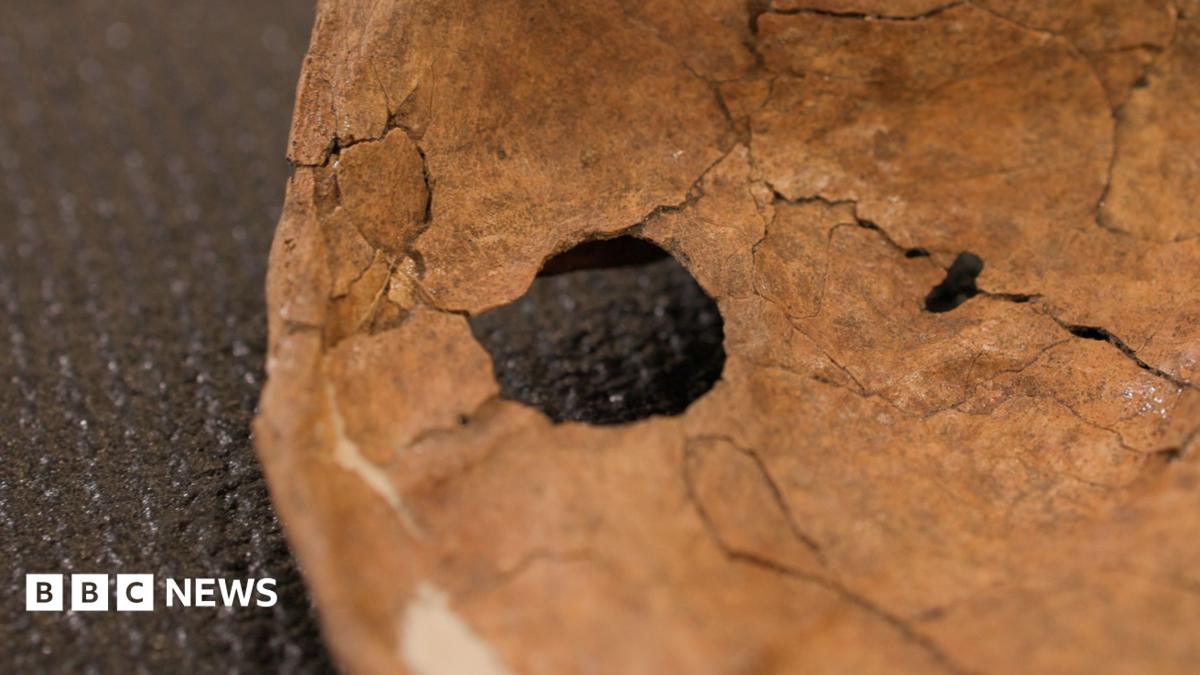
Scientists examining fossil remains have identified what appears to be a fatal spear wound sustained by a Neanderthal individual approximately 75,000 years ago, offering new insights into the prevalence of interpersonal violence during the Middle Pleistocene era.
The wound, which shows signs of penetrating trauma consistent with a projectile weapon strike, represents rare skeletal evidence of lethal conflict among Neanderthal populations. The injury pattern suggests the individual was targeted with deliberate force, indicating organized or intentional violence rather than accidental harm.
This discovery contributes to ongoing scholarly debate about Neanderthal behavior and social structure. While previous research has suggested these early humans engaged in hunting activities and group cooperation, direct evidence of systematic violence has remained limited. The spear wound adds to a growing body of evidence suggesting conflict management and inter-group violence were embedded within Neanderthal societies.
Archaeologists note that understanding the prevalence and nature of ancient violence provides critical context for reconstructing social hierarchies, territorial disputes, and survival strategies among early human populations. The finding underscores the need for continued examination of skeletal remains for evidence of trauma and injury patterns that might reveal previously hidden aspects of prehistoric life.