Culture & Entertainment · India Bureau
Ancient Oklahoma meteor impact dated 97 million years younger than thought
New research from the University of Texas at Austin has significantly revised the timeline of a major meteor impact in Oklahoma, placing it 97 million years more recently than previously believed. The findings link the impact to a critical mass extinction event in Earth's distant past.
LSN India ·
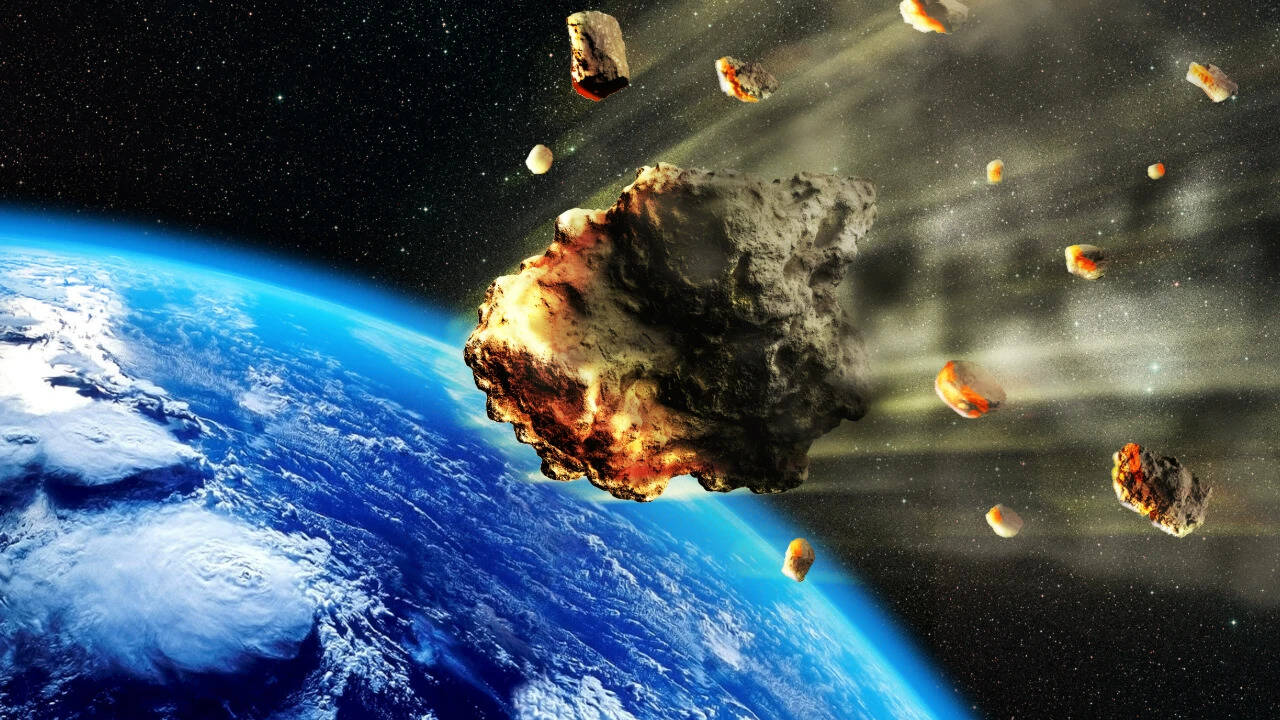
Researchers have determined that the Ames meteor crater in Oklahoma formed approximately 370 million years ago, substantially revising the widely accepted estimate of 467 million years. The new dating represents a major recalibration of one of Earth's significant geological events.
The study employed advanced analysis of zircon crystals recovered from the impact site to establish the more precise timeline. These mineral samples provided the chemical and isotopic markers necessary to narrow down when the celestial collision occurred with considerably greater accuracy than previous methods allowed.
The revised date now connects the Oklahoma impact with the Frasnian-Famennian extinction event, a major biological crisis that occurred during the Late Devonian period. This correlation offers researchers crucial insights into the relationship between extraterrestrial impacts and mass extinction episodes that have shaped life on Earth.
The findings provide a more detailed understanding of pivotal moments in Earth's geological history and demonstrate how refinements in dating technology can substantially alter our comprehension of ancient events. The research underscores the importance of precise chronological frameworks when studying the planet's transformative periods.