Business · India Bureau
Ancient Osaka dental plaque reveals surprisingly diverse diet of common people
Analysis of centuries-old plaque from teeth in Edo-period Osaka has provided an unexpected window into the eating habits of ordinary commoners. The findings suggest that developing markets and trade networks made premium foods once reserved for the wealthy accessible to everyday residents.
LSN India ·
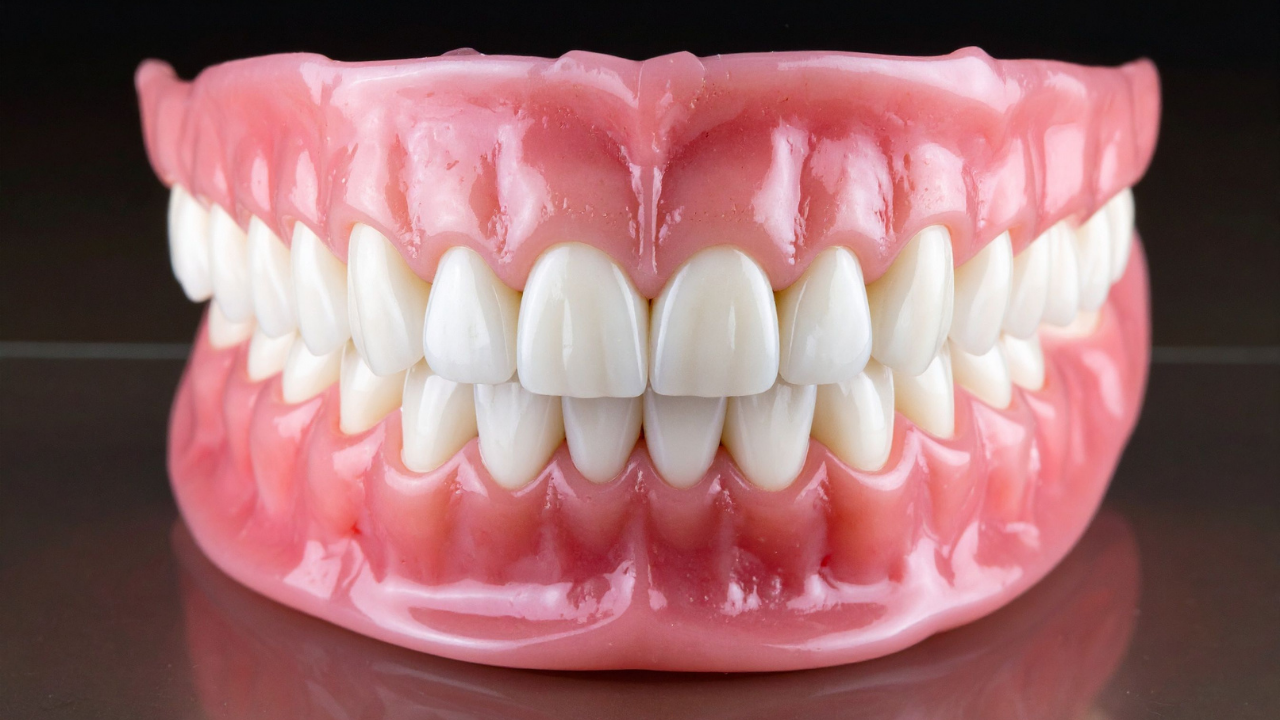
Researchers examining dental plaque preserved on eight sets of teeth from Edo-period Osaka have uncovered evidence of a remarkably varied diet consumed by common townspeople centuries ago. Protein analysis identified traces of 17 different food types, offering rare insight into the daily eating patterns of ordinary residents in the historic Japanese city.
Among the foods identified were luxury items such as red sea bream, a premium fish traditionally associated with wealthy households. The discovery challenges assumptions about food accessibility in pre-modern Japan, suggesting that emerging markets and commercial networks had already begun democratizing foods that were once exclusively enjoyed by the elite.
Protein signatures from salmon indicated that preserved fish traveled considerable distances through extensive shipping routes, demonstrating the sophistication of trade networks during the period. The plaque also revealed consumption of cottonseed oil and meat from terrestrial animals, further illustrating the dietary diversity available to Osaka's common population.
The findings provide researchers with rare biological evidence of historical consumption patterns and offer new perspectives on economic development and food distribution systems in Edo-period Japan. Such dental plaque analysis represents an unconventional yet effective method for understanding the lived experiences and daily diets of ordinary people from centuries past.