World · India Bureau
Ancient Peat Forests Off Mozambique Reveal 5,000-Year Climate History
Submerged peat forests discovered off Mozambique's coast have transformed into thriving marine ecosystems over millennia. Scientists say the carbon-rich underwater formations hold crucial insights for global climate and conservation strategies.
LSN India ·
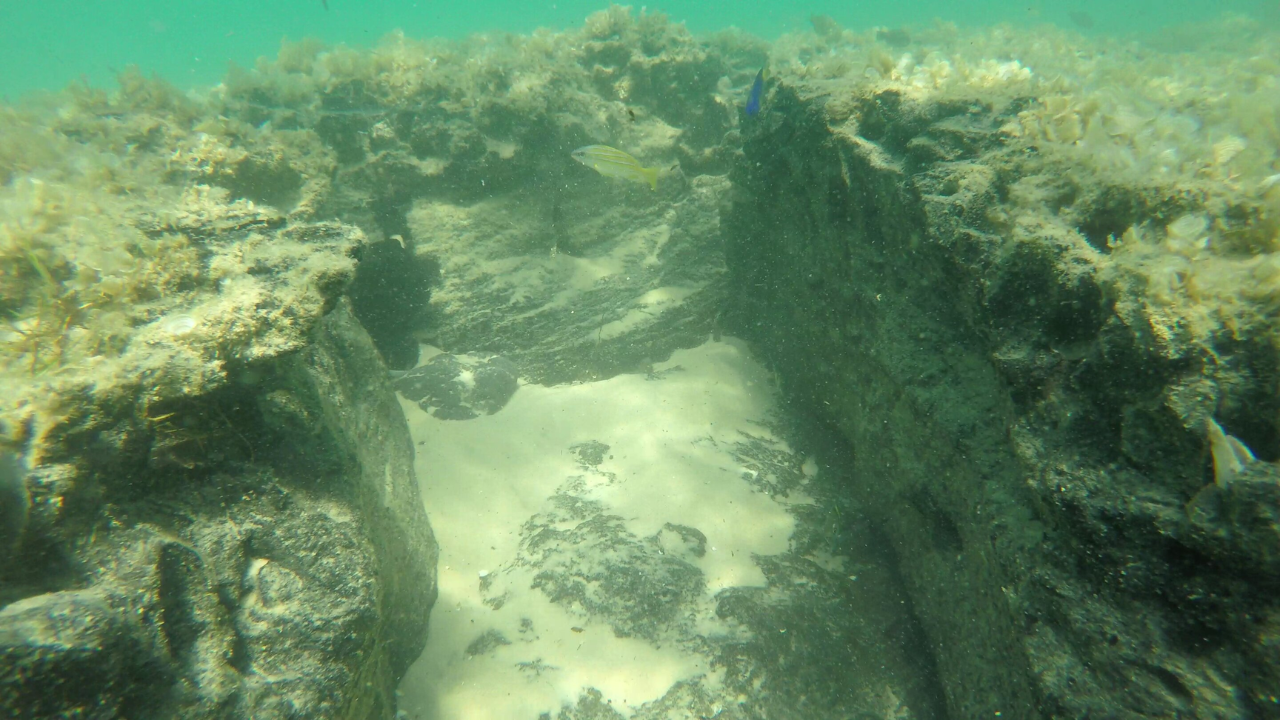
Researchers have identified ancient peat deposits off the coast of Mozambique that date back approximately 5,000 years, offering a rare window into how rising sea levels have reshaped coastal environments over millennia. As global water levels rose following the last ice age, these once-terrestrial peat forests gradually submerged, creating entirely new ecosystems beneath the ocean surface.
The submerged peat forests have since integrated with coral reef systems, creating hybrid marine habitats that support diverse flora and fauna. This transformation has resulted in remarkably productive ecosystems that shelter numerous marine species and contribute significantly to regional biodiversity. The integration of peat-based substrates with coral structures appears to have created ecological niches distinct from either ecosystem alone.
The discovery carries substantial implications for climate science and conservation policy. Peat ecosystems are known to store vast quantities of carbon, and the underwater peat formations off Mozambique represent a significant carbon reservoir. Experts emphasize that these "peat reefs" must be incorporated into regional and international conservation frameworks to maximize their role in carbon sequestration and climate mitigation efforts.
The findings underscore the interconnected nature of coastal ecosystems and highlight how historical environmental changes continue to influence modern biodiversity. As nations develop climate strategies and marine protection policies, the Mozambique peat forests serve as a compelling case study for understanding long-term ecological adaptation and the hidden carbon stores within marine environments.