World · India Bureau
Ancient penguin fossils unlock secrets of Antarctica's climate shift
Fifty-five-million-year-old penguin remains discovered in Antarctica are providing crucial insights into the continent's dramatic environmental transformation. Chemical analysis of the fossilized bones reveals a detailed record of climatic changes spanning millions of years.
LSN India ·
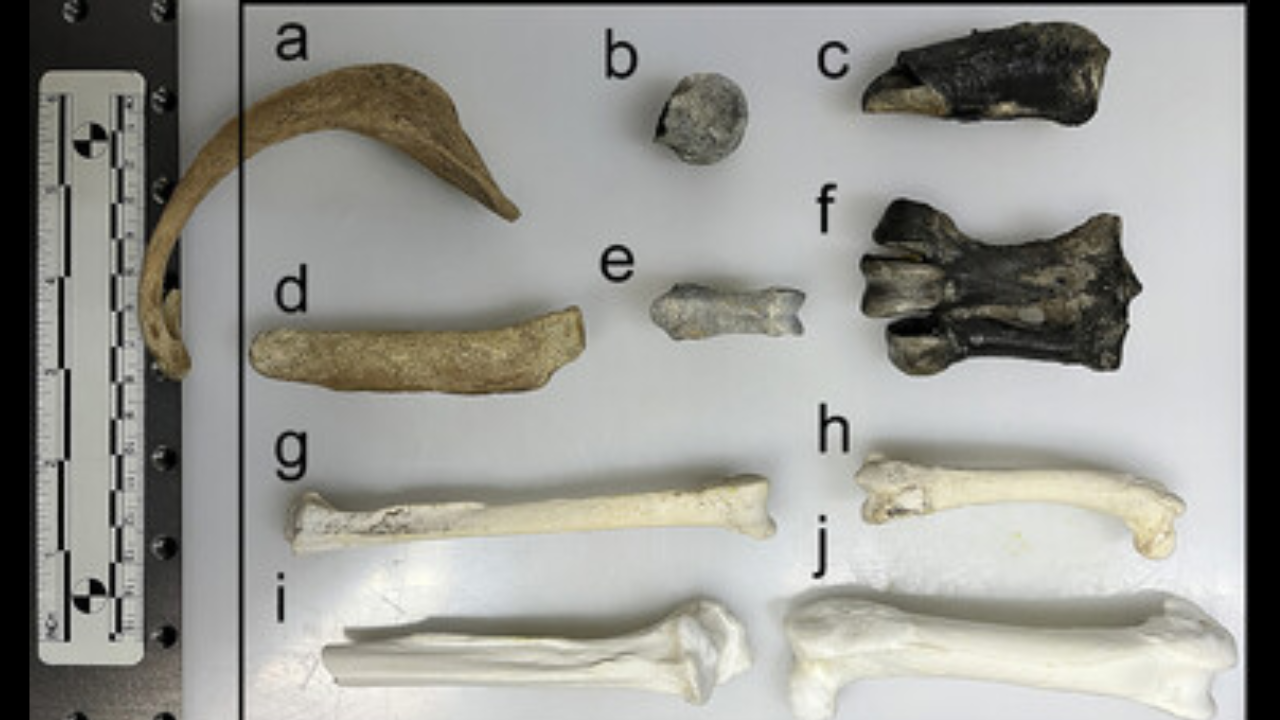
Researchers analyzing penguin fossils unearthed on Seymour Island have identified chemical markers that chronicle Antarctica's evolution from a warmer landmass to the frozen continent known today. The discovery offers a rare window into one of Earth's most significant climate transitions.
Using advanced micro-XRF scanning technology, scientists examined the mineral composition of the ancient penguin remains. The analysis revealed notably high titanium levels in the older fossils dating to the Eocene epoch, approximately 55 million years ago. This elevated titanium content indicates substantial weathering of the bones during a period when Antarctica experienced substantially warmer temperatures.
In contrast, more recent fossils from later periods display significantly lower titanium readings. The reduction in titanium concentration corresponds with the continent's gradual cooling trend over subsequent geological periods. This chemical signature effectively documents the progressive shift toward colder climatic conditions.
The fossilized penguin bones serve as a natural archive of environmental change, with their chemical composition acting as sensitive indicators of past weathering patterns and temperature conditions. The research demonstrates how paleontological specimens can reveal details about prehistoric climates that would otherwise remain hidden, providing scientists with quantifiable evidence of Antarctica's transformation from the warmer Eocene world to its current state.