World · India Bureau
Ancient Peru societies adapted to climate stress without violence, study finds
Archaeological research on skeletal remains from Peru's Lambayeque Valley reveals that despite repeated environmental crises, ancient communities maintained remarkably low levels of interpersonal conflict. The findings suggest these resilient societies managed climate-induced hardships through cooperation and resource diversification rather than violent competition.
LSN India ·
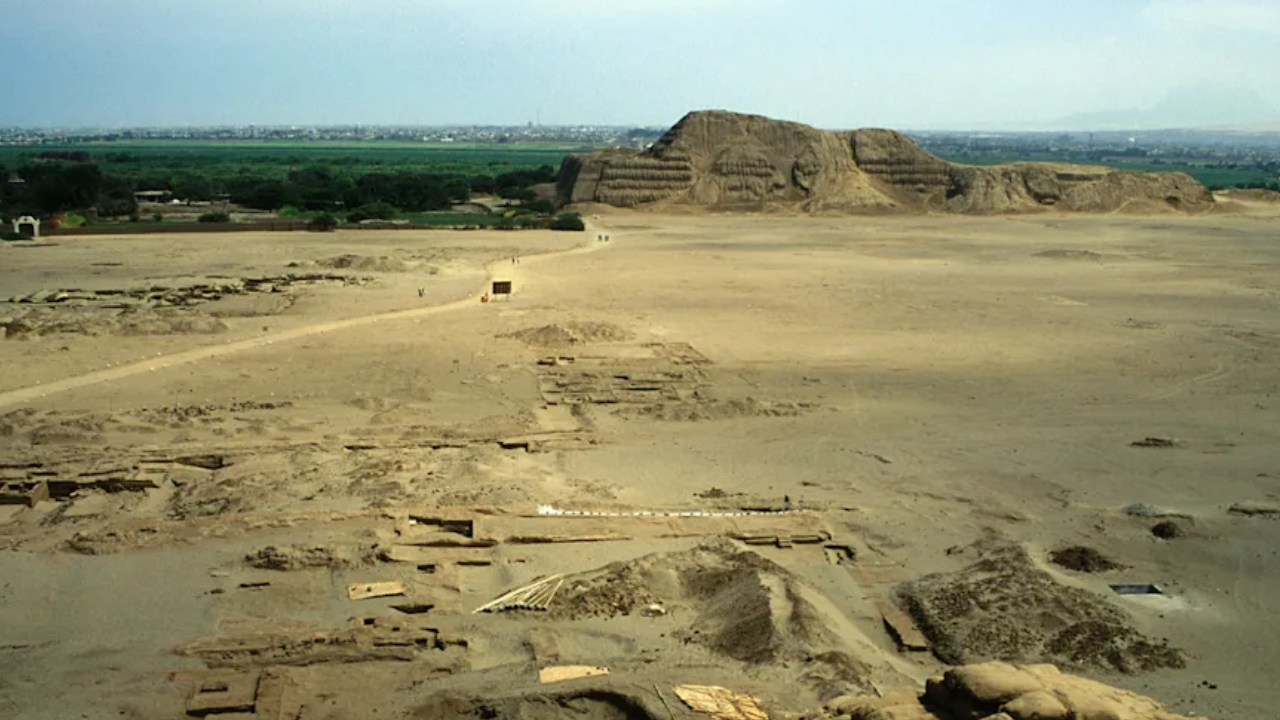
A new study examining skeletal evidence from Peru's Lambayeque Valley has found that ancient communities facing severe environmental pressures—including frequent flooding and food shortages—did not resort to widespread interpersonal violence as a response to resource scarcity.
Researchers analyzing skeletal remains discovered that only a small fraction showed evidence of conflict-related trauma. This contrasts with assumptions that environmental stress inevitably leads to increased violence within communities, challenging long-held theories about the relationship between climate-driven hardship and social conflict.
Instead of competing violently for limited resources, these sophisticated societies adapted through strategic economic diversification. Communities in the Lambayeque Valley increasingly exploited marine resources—including fish and other coastal assets—to supplement their food supplies during periods of agricultural difficulty caused by climatic fluctuations.
The research demonstrates that ancient Peruvian communities developed effective cooperative strategies to weather environmental challenges. Importantly, the low incidence of interpersonal violence remained distinct from ritual sacrifice practices, suggesting these societies maintained separate ceremonial and conflict-resolution systems.
The findings provide valuable insights into human adaptive capacity and social resilience in the face of environmental stress, potentially offering perspectives relevant to understanding contemporary climate challenges and their social consequences.