World · India Bureau
Ancient Peruvians chose cooperation over violence during climate crises
A major study of over 1,500 ancient Peruvian skeletons reveals that societies responded to severe environmental disasters with adaptation rather than widespread conflict. The findings challenge assumptions about how communities behave under ecological stress.
LSN India ·
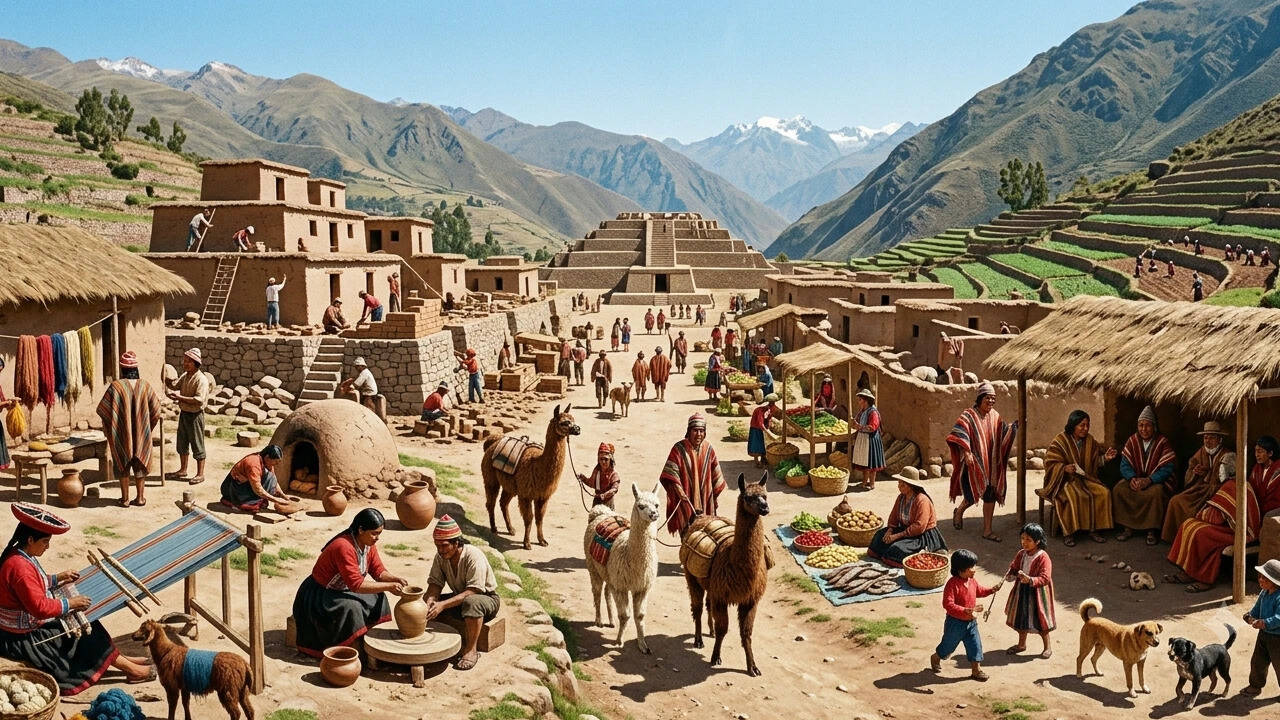
Researchers examining skeletal remains spanning centuries of Peruvian history have found that violent conflict remained remarkably rare even during catastrophic climate events like El Niño flooding that devastated food supplies and threatened survival.
The study, based on analysis of more than 1,500 ancient skeletons, provides fresh insights into how pre-Columbian societies managed environmental crises. Despite evidence of ecological collapse affecting agricultural yields and resource availability, interpersonal violence among the general population did not escalate significantly during these periods of stress.
Most intriguing is the discovery that ritualized mass human sacrifices occurred during climate disasters without corresponding increases in everyday violence. This pattern suggests that ancient Peruvian communities channeled responses to environmental threats through ceremonial practices rather than through conflict between individuals or groups.
The research indicates that societies facing ecological challenges made deliberate choices about how to respond. Rather than descending into social chaos or widespread violence, these communities appear to have developed institutional and cultural mechanisms—including religious and ceremonial practices—to manage collective crisis.
The findings underscore the diversity of ways human societies can respond to environmental stress, offering perspective on adaptive strategies that enabled civilizations to persist through periods of significant ecological disruption.