Business · India Bureau
Ancient Pottery Marks Reveal Branding Practices 3,000 Years Ago
Archaeological discoveries suggest that manufacturers used distinctive markings on pottery vessels to identify their products millennia before modern marketing emerged. The findings offer fresh insights into ancient trade practices and commercial identity.
LSN India ·
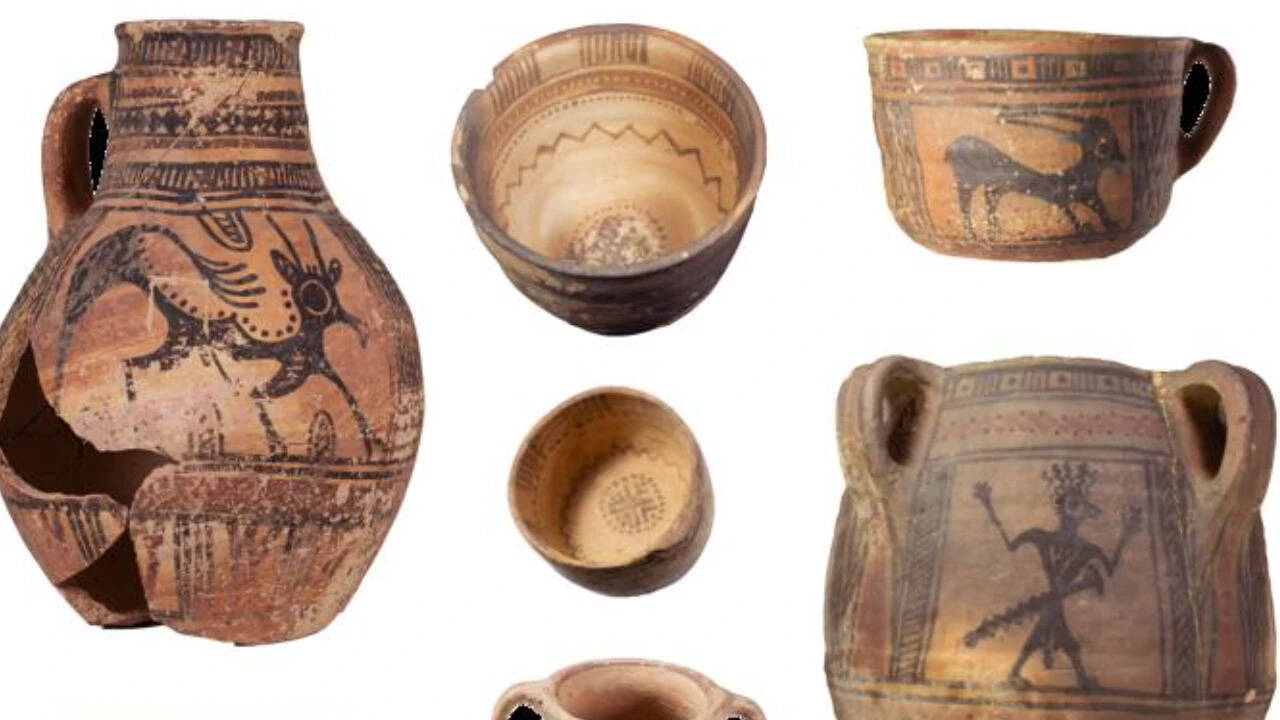
Archaeologists have uncovered compelling evidence that artisans and manufacturers in antiquity employed branding techniques on pottery—a practice dating back approximately 3,000 years. The distinctive markings found on ceramic vessels suggest that ancient producers sought to distinguish their wares and establish recognition among consumers, a phenomenon previously associated with modern commerce.
The discovery indicates that merchants and craftspeople of the ancient world understood the value of product identification and reputation. By imprinting recognizable symbols, signatures, or marks on their pottery, these early entrepreneurs effectively created a form of commercial identity that allowed buyers to identify trusted sources and producers to protect against imitation.
These archaeological findings challenge conventional assumptions about the origins of branding and marketing strategies. Rather than being purely modern innovations, the impulse to distinguish one's goods and build consumer trust appears deeply rooted in human commercial behavior, stretching back to ancient civilizations.
The evidence gathered from excavation sites demonstrates that trade networks in antiquity were sophisticated enough to warrant brand differentiation. As commerce expanded across regions, producers recognized the need to ensure their products were recognizable and distinguishable from competitors, establishing a principle that remains fundamental to business practice today.
Scholars suggest these ancient branding practices reveal important truths about early economies and the psychology of consumer preference. The findings contribute to a broader understanding of how trade, reputation, and commercial identity have shaped human societies throughout history.