Business · India Bureau
Ancient pottery reveals cacao trade networks crossed continents millennium ago
Archaeological analysis of 11th-century pottery from an ancient Native American settlement has uncovered evidence of cacao consumption, suggesting sophisticated trade routes connected distant regions across North America over 1,000 years ago.
LSN India ·
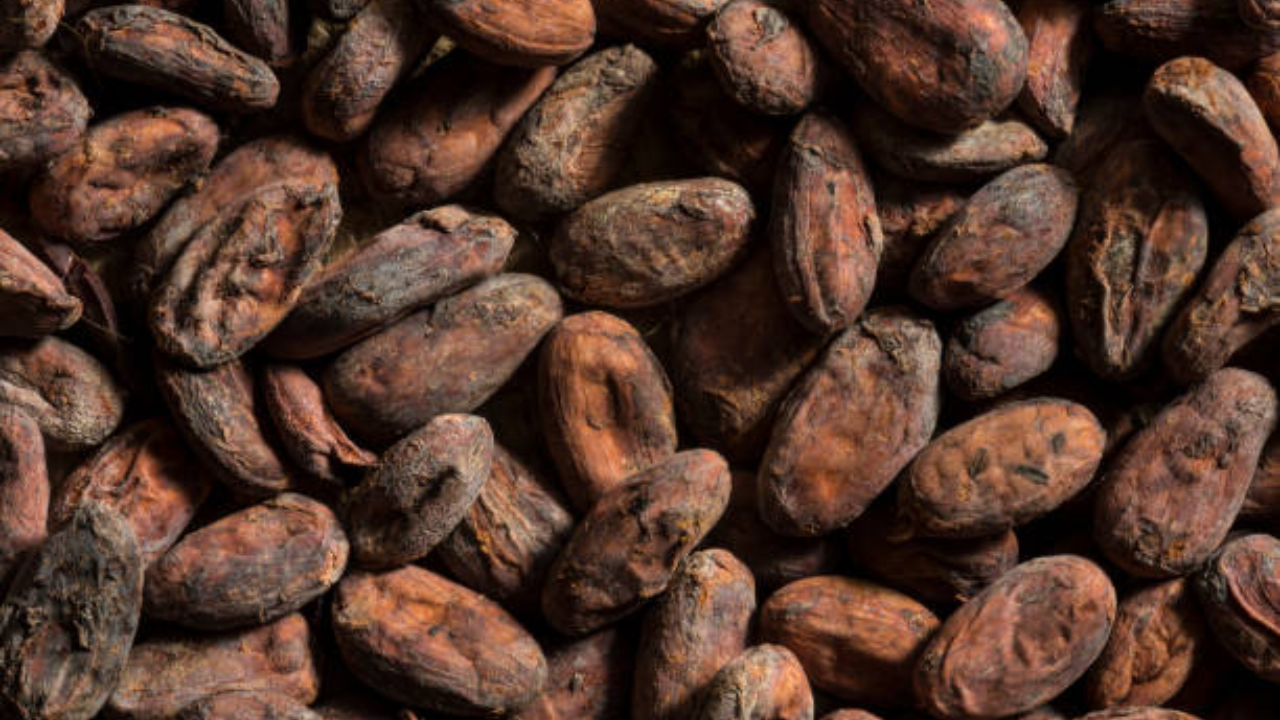
Research at the Etowah Indian Mounds has identified cacao residue in pottery dating to the Mississippian culture period, indicating that the crop—native to Mesoamerica—was actively traded and consumed as part of elite feasting practices in what is now the American Southeast.
The discovery of cacao in these vessels provides concrete evidence of far-reaching commercial networks that spanned considerable distances during the 11th century. Similar patterns of cultural exchange have been documented at other major centres such as Chaco Canyon, suggesting interconnected societies that shared goods, practices, and knowledge across vast geographical expanses.
The distinct pottery styles found at Etowah further underscore the degree of cultural interaction between these ancient communities. Scholars believe the consumption of cacao, a substance associated with prestige and ceremony in Mesoamerican cultures, would have held significant ritual and social importance for Mississippian elites.
The findings have prompted further investigation into the mechanisms and routes of these ancient trade networks, offering fresh insights into the sophistication and interconnectedness of pre-Columbian North American societies. Researchers continue to examine additional artefacts from the site to trace the extent and nature of these long-distance exchanges.