World · India Bureau
Ancient proteins resurrected to combat antibiotic-resistant bacteria
Scientists have successfully revived proteins from organisms that existed 160 million years ago, offering a promising new approach to treating drug-resistant bacterial infections. The breakthrough could provide fresh weapons in the battle against antibiotic resistance, a growing public health concern globally.
LSN India ·
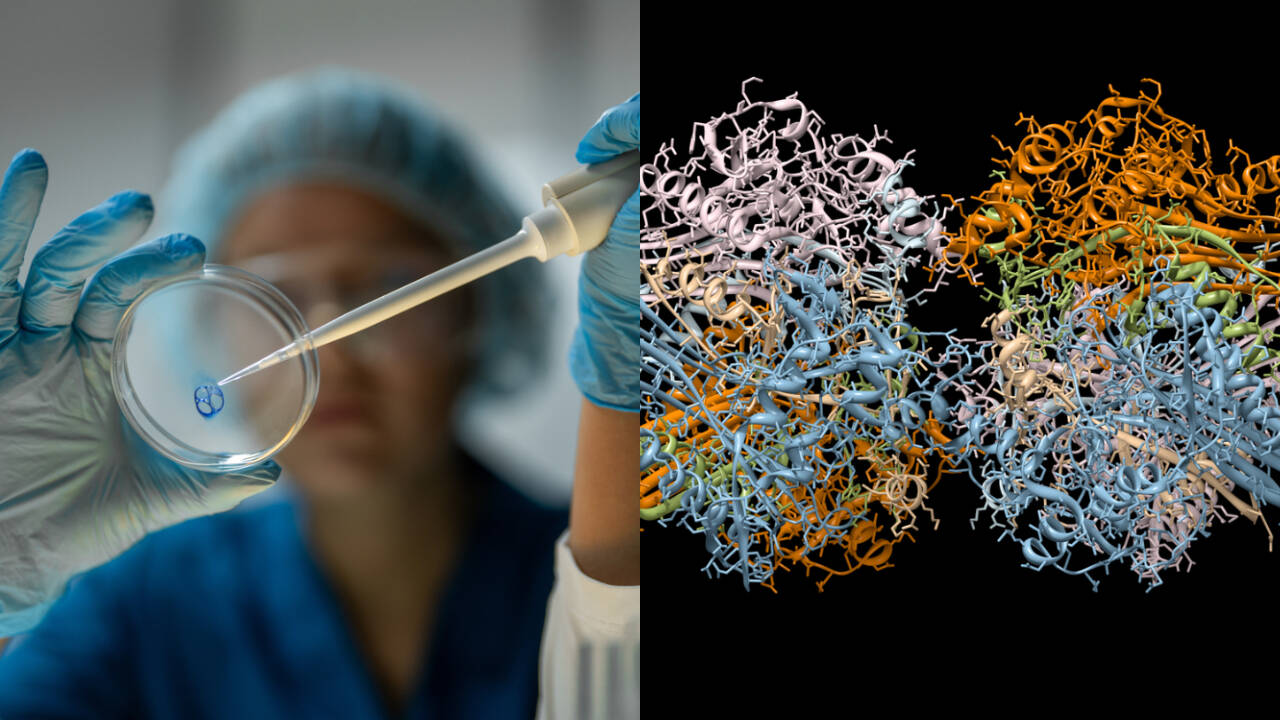
Researchers have demonstrated the ability to reconstruct and activate proteins from ancient organisms, a development that may yield new treatments for multidrug-resistant bacteria that pose significant challenges to modern medicine. By analyzing the genetic sequences of extinct species, scientists were able to synthesize functional proteins that have not existed in nature for millions of years.
The resurrected proteins showed effectiveness against bacterial strains that have developed resistance to conventional antibiotics, suggesting potential applications in addressing one of the world's most pressing health threats. Antibiotic resistance has become an increasingly urgent concern in India and across South Asia, where widespread overuse of antimicrobial drugs has accelerated the emergence of dangerous resistant pathogens.
The research represents a novel intersection of paleontology, molecular biology, and pharmacology. By studying how ancient organisms defended themselves against microbes in their environment, scientists can identify alternative mechanisms to current antibiotic approaches. This strategy circumvents the adaptive strategies that modern bacteria have developed against contemporary drugs.
While the technology remains in early stages, researchers suggest that resurrected ancient proteins could form the basis for next-generation antimicrobial therapies. Further development and clinical testing will be necessary before such treatments can be deployed in medical practice, but the findings demonstrate a creative approach to combating resistance in pathogens that threaten human health.