World · India Bureau
Ancient rodent tooth sheds light on Atacama's wetter climate
A 9-million-year-old capybara tooth discovered in Chile's hyper-arid Atacama Desert suggests the region experienced significantly more precipitation in the distant past. The fossil discovery provides new evidence about environmental conditions in one of Earth's driest places.
LSN India ·
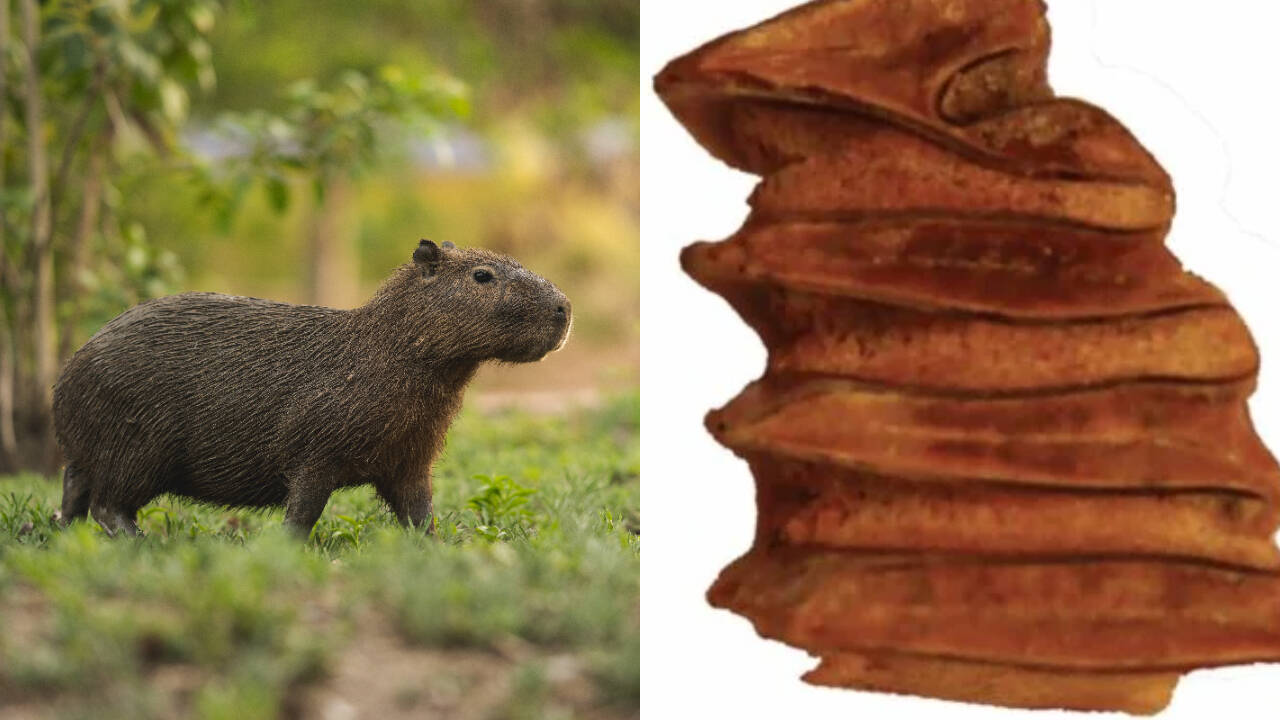
Paleontologists have uncovered a fossilized capybara tooth in the Atacama Desert that dates back approximately 9 million years, offering fresh insights into the climate history of South America's most arid region. The finding indicates that the area, now virtually devoid of rainfall, once supported sufficient moisture and vegetation to sustain large herbivorous mammals.
Capybaras, the world's largest living rodents, require abundant water sources and lush vegetation to thrive. The presence of their remains in the Atacama suggests climatic conditions dramatically different from today's hyperarid environment, where some weather stations have recorded zero annual precipitation. The discovery contributes to scientific understanding of how desert ecosystems have evolved over millions of years.
Researchers believe the fossil evidence points to periodic climate variations that have shaped the Atacama over geological timescales. The tooth's discovery demonstrates how paleontological evidence can reveal environmental shifts long predating modern climate records. Such findings help scientists develop more comprehensive models of regional climate dynamics and ecosystem changes across South America during the Miocene epoch.
The study adds to growing paleontological evidence suggesting that Earth's seemingly unchanging deserts have actually experienced significant transformations throughout their geological history, responding to larger climate cycles and atmospheric changes over millennia.