World · India Bureau
Ancient Roman loaf discovered preserved in Vesuvius ash after nearly 2,000 years
Archaeologists uncovered a carbonised loaf of bread in Herculaneum, frozen in time by Mount Vesuvius's catastrophic AD 79 eruption. The remarkable find offers rare insights into daily life and dietary practices in ancient Rome.
LSN India ·
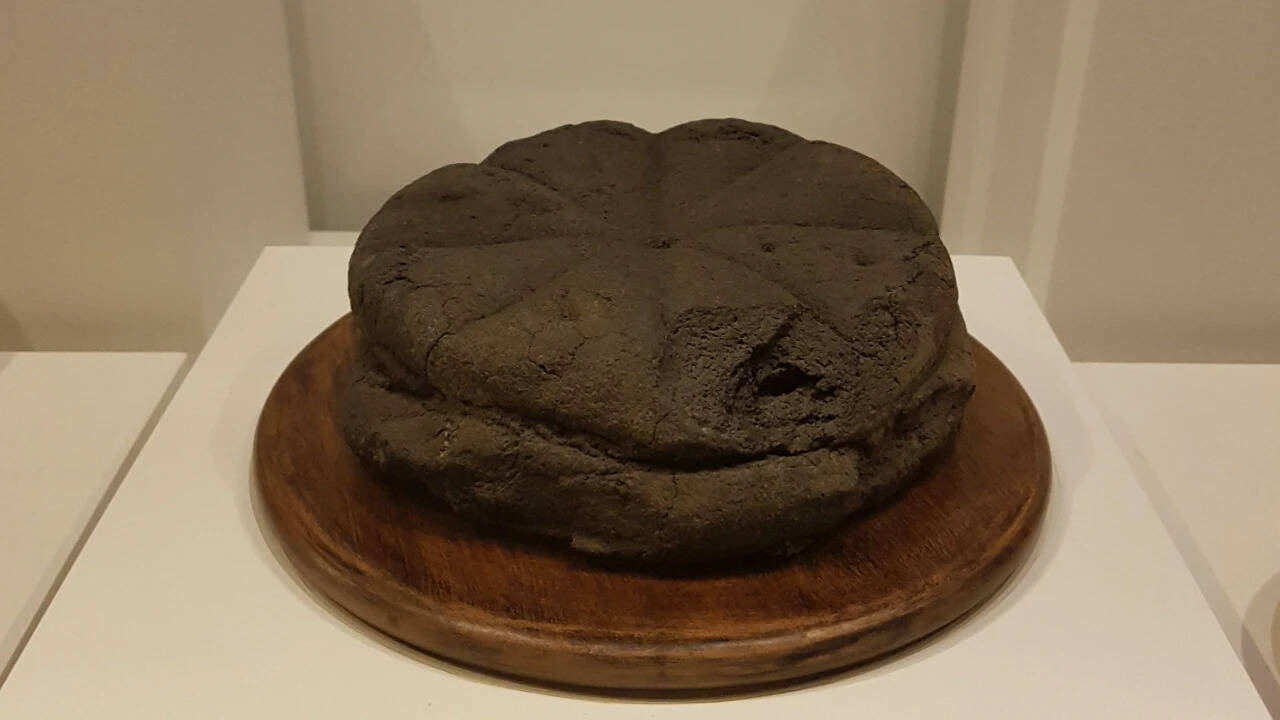
A loaf of bread discovered inside an oven in Herculaneum provides an extraordinary window into Roman domestic life nearly two millennia ago. The bread was found carbonised during excavations in 1930, having been perfectly preserved by the volcanic ash and pumice that buried the ancient city when Mount Vesuvius erupted in AD 79.
The discovery represents one of the most direct pieces of evidence of what Romans ate in their everyday lives. Unlike written records or artistic depictions, the actual preserved loaf demonstrates the size, shape and texture of bread consumed by ordinary inhabitants of the thriving Roman port town.
The significance of the find was recognised by experts, who later attempted to recreate the ancient recipe based on the carbonised remains. Additional preserved loaves found at Herculaneum revealed further details about Roman bread production and consumption habits, including evidence of portion division and the use of stamps to mark individual loaves—possibly indicating ownership or bakery identification.
Herculaneum, buried alongside Pompeii by the same volcanic catastrophe, has yielded numerous artefacts that illuminate Roman society. The preservation achieved by the volcanic material has allowed archaeologists to study objects that would normally decompose entirely, making such discoveries invaluable for understanding ancient Mediterranean cultures.