World · India Bureau
Ancient Roman vessel with dual serpent heads unearthed in Spain
Archaeologists have discovered a nearly 2,000-year-old ceramic vessel featuring two snake heads at a Roman villa site in Spain, providing rare evidence of worship practices dedicated to the god Sabazios across the Mediterranean.
LSN India ·
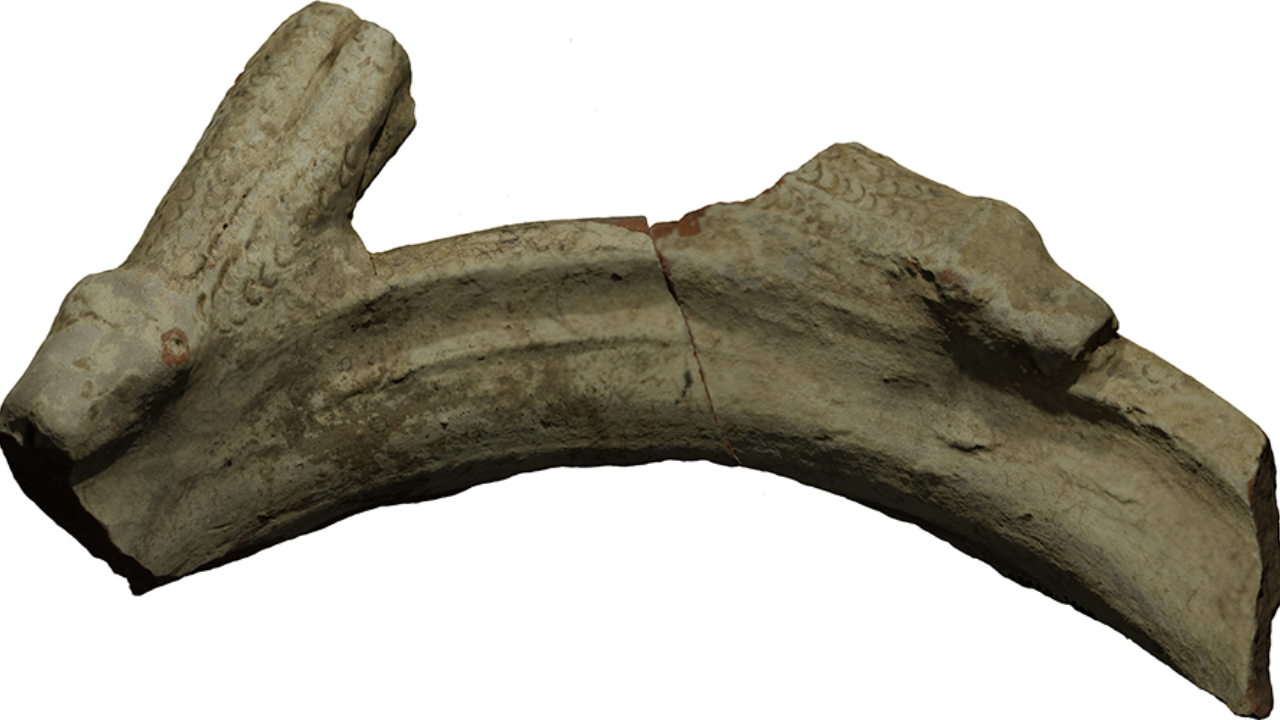
The artifact, recovered during excavations at the villa, represents an unusual example of religious material culture from the Roman period. The vessel's distinctive two-headed serpent design suggests it held ceremonial or devotional significance for the villa's inhabitants.
Scientific analysis, including laboratory testing, indicates the piece likely originated in Roman Africa, indicating long-distance trade networks that connected the Mediterranean region during antiquity. The craftsmanship and composition point to North African manufacturing, despite its discovery on the Iberian Peninsula.
The find is particularly significant because archaeological evidence for Sabazios worship—a deity associated with fertility, protection, and prosperity—remains limited on the Iberian Peninsula. The discovery suggests that religious cults and personal devotional practices penetrated far beyond urban centres into rural communities, demonstrating the widespread spiritual influence of Eastern Mediterranean faiths throughout the Roman world.
The vessel contributes to scholarly understanding of how religious ideas and material practices circulated through Roman territories, highlighting the complex spiritual landscape of provincial life during the empire's later centuries. Such artifacts offer insight into the private religious observances of ordinary Roman households rather than official state-sanctioned worship.