World · India Bureau
Ancient Serbia reveals gender-based burial practices from 4,000 years ago
Archaeological analysis of 77 Bronze Age children in Serbia has uncovered distinct sex-linked funerary customs dating back four millennia. The findings provide rare insight into how ancient Balkan societies structured gender roles through burial rituals.
LSN India ·
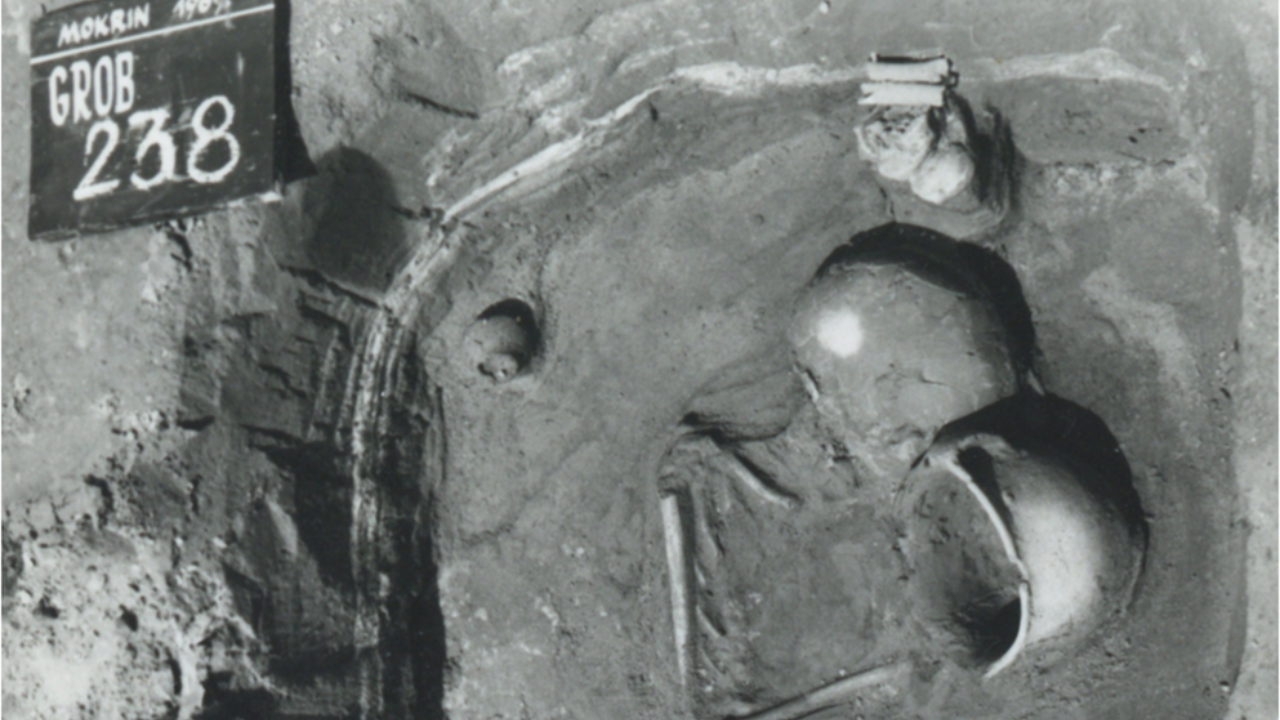
Researchers examining remains from two Maros culture cemeteries in Bronze Age Serbia have documented systematic differences in how boys and girls were buried, offering a window into ancient social structures and gender concepts.
The study of 77 child burials revealed that males and females received distinctly different funerary treatment, suggesting established gender roles were already embedded in Serbian Bronze Age society around 4,000 years ago. The interment practices—including positioning, grave goods, and ceremonial arrangements—varied notably between the sexes, reflecting how these communities organized their social hierarchies even in death.
However, the research also identified several burials that diverged from prevailing norms, indicating that Bronze Age societies were not rigidly uniform in their gender practices. These exceptional cases suggest some flexibility within established customs and raise questions about how ancient communities viewed and negotiated gender identities and roles.
The findings underscore the complexity of funerary rituals in early Bronze Age Balkan cultures, demonstrating that burial practices served as a tangible expression of societal values. By examining how the dead were treated, archaeologists gain crucial insights into the lived experiences and social organization of populations from the distant past.