World · India Bureau
Ancient silk traces found on 101 Chinese artefacts reveal ritual practices
Researchers have identified silk residues on over 100 objects from China's renowned Sanxingdui archaeological site, dating back 3,000 years. The discovery provides fresh insights into the textile practices and ceremonial traditions of the ancient Shu civilization.
LSN India ·
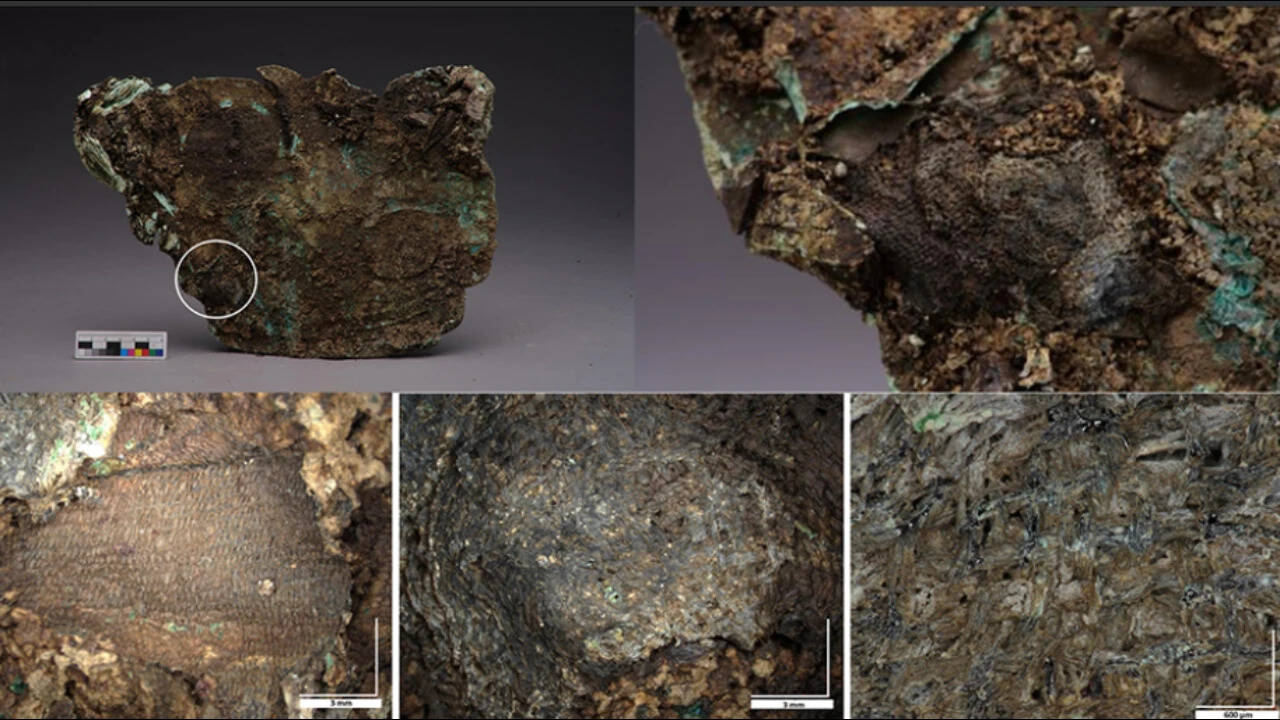
A comprehensive scientific study has uncovered silk traces on 101 artefacts recovered from the Sanxingdui site in China, shedding new light on ancient ritual practices. The research, published in the journal Antiquity, analysed bronze masks, gold ornaments, jade carvings and ivory objects, all bearing evidence of silk contact.
The findings suggest that the ancient Shu people deliberately used silk to wrap or drape objects as part of their ceremonial activities. Researchers identified not only the presence of silk fibres but also documented red pigments and varying weaving patterns across the artefacts, indicating a sophisticated understanding of textile production and application.
The discovery represents a significant advancement in understanding the textile heritage of ancient China. The presence of silk on such a diverse range of high-value objects—from ritual masks to precious materials—underscores the material's importance in Shu religious and ceremonial contexts thousands of years ago.
The research contributes to a broader understanding of how ancient civilizations integrated textiles into their spiritual and cultural practices, while also revealing details about the technical capabilities of early Chinese weavers.