World · India Bureau
Ancient Spanish Artefact Shows Evidence of Meteoritic Iron Content
Chemical analysis of a 3,000-year-old Spanish treasure has revealed the presence of meteoritic iron, suggesting sophisticated metallurgical knowledge in antiquity. The findings offer fresh insights into early metal-working practices in pre-classical Europe.
LSN India ·
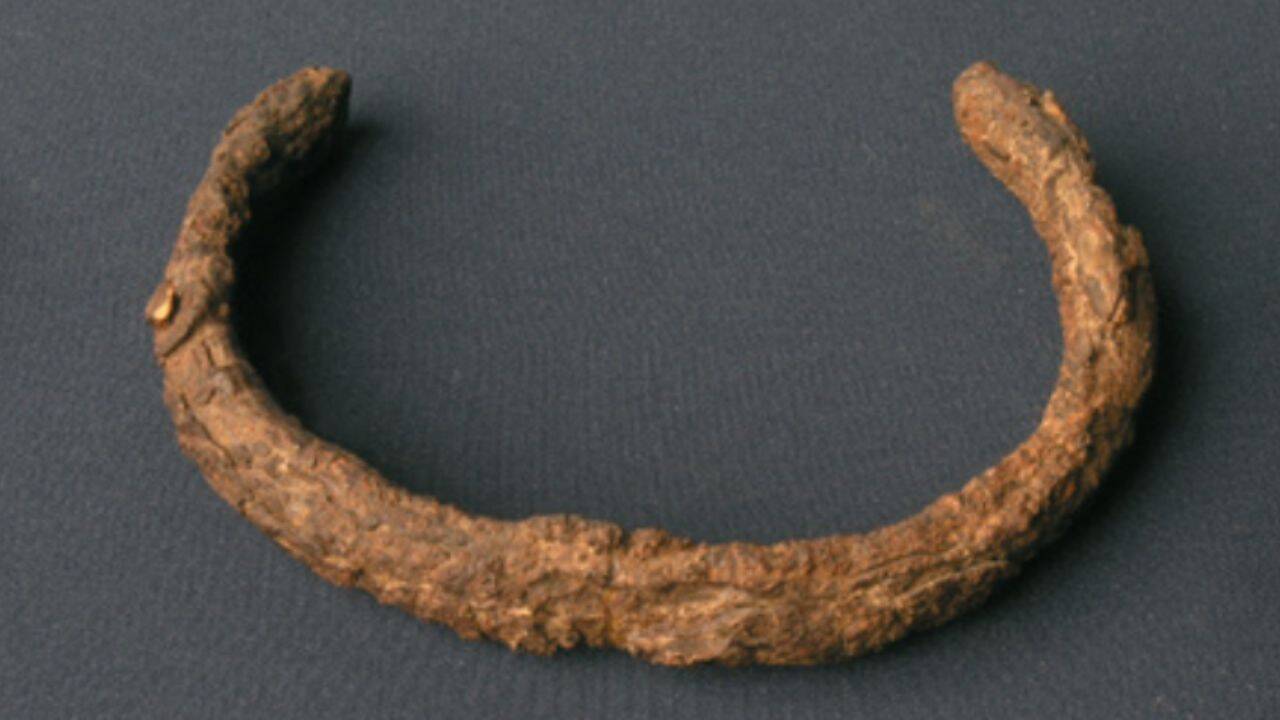
Researchers examining a millennia-old Spanish artefact have identified meteoritic iron as a key component of the object through advanced chemical testing. The discovery points to an unexpected level of technological sophistication among ancient Mediterranean civilizations, predating conventional understanding of iron metallurgy in the region.
The tests, which employed modern analytical techniques, detected characteristic signatures of extraterrestrial iron within the artefact's composition. This finding suggests that ancient craftspeople may have deliberately sourced and worked with iron derived from meteorites, rather than relying exclusively on smelted terrestrial ores.
The use of meteoritic iron in antiquity was not uncommon among select ancient cultures, with evidence of such practice documented in Egypt, Mesopotamia, and parts of Asia. However, its presence in a 3,000-year-old Spanish object expands the geographical scope of this metallurgical tradition and underscores the interconnected nature of ancient technological knowledge.
Experts believe the discovery highlights the ingenuity of Bronze Age societies in sourcing rare materials and developing specialized techniques for their incorporation into valuable objects. Such findings continue to reshape understanding of technological development across ancient civilizations and their trade networks.
The artefact remains subject to ongoing research, with scientists exploring additional compositional analyses to better understand its origins and cultural significance.