Business · India Bureau
Ancient Spanish Goat Leather Yields 7,000-Year-Old DNA Secrets
A tiny fragment of goat leather discovered in a Spanish burial cave has provided researchers with rare genetic insights into early livestock domestication. The 7,000-year-old specimen offers a window into how Neolithic communities managed their herds.
LSN India ·
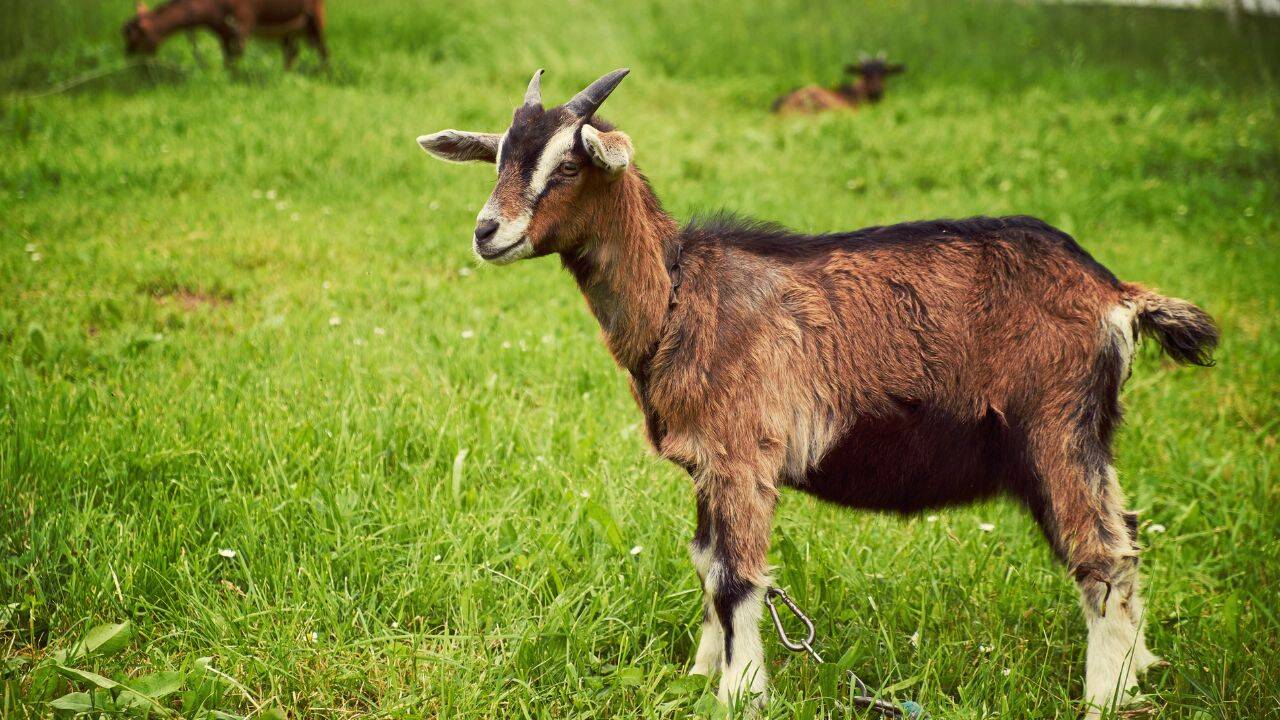
Scientists studying a minute piece of goat leather unearthed from Cueva de los Murciélagos in southern Spain have extracted valuable DNA evidence that illuminates the history of animal domestication in Early Neolithic Europe. The leather fragment, preserved for millennia in the burial cave environment, contained sufficiently intact genetic material to enable detailed analysis of an ancient goat's DNA.
Researchers discovered that the ancient goat's genetic profile showed direct connections to modern goat breeds, suggesting a remarkable continuity of livestock genetics spanning thousands of years. The findings demonstrate that selective breeding practices and herding management strategies established in the Neolithic period have left lasting marks on contemporary livestock populations, providing tangible evidence of unbroken genetic lineages.
Beyond the goat itself, the leather specimen yielded an additional discovery: traces of human DNA embedded within the material. This evidence suggests that Early Neolithic people actively processed and worked the leather, adding crucial information about human handling and treatment of animal hides in ancient times.
The research enhances scholarly understanding of how Early Neolithic communities in southern Spain managed livestock and utilized animal resources. Such findings from organic remains, though rare, provide invaluable insights into daily life and subsistence practices during a pivotal period in human history when societies were transitioning from hunter-gatherer economies to agricultural settlements.