World · India Bureau
Ancient statue depicting human astride leopard unearthed in Turkey
Archaeologists have discovered an 11,000-year-old limestone sculpture at the Karahantepe site, depicting a human figure riding a leopard. The artifact provides rare insight into the symbolic and artistic practices of Neolithic civilizations in the ancient Near East.
LSN India ·
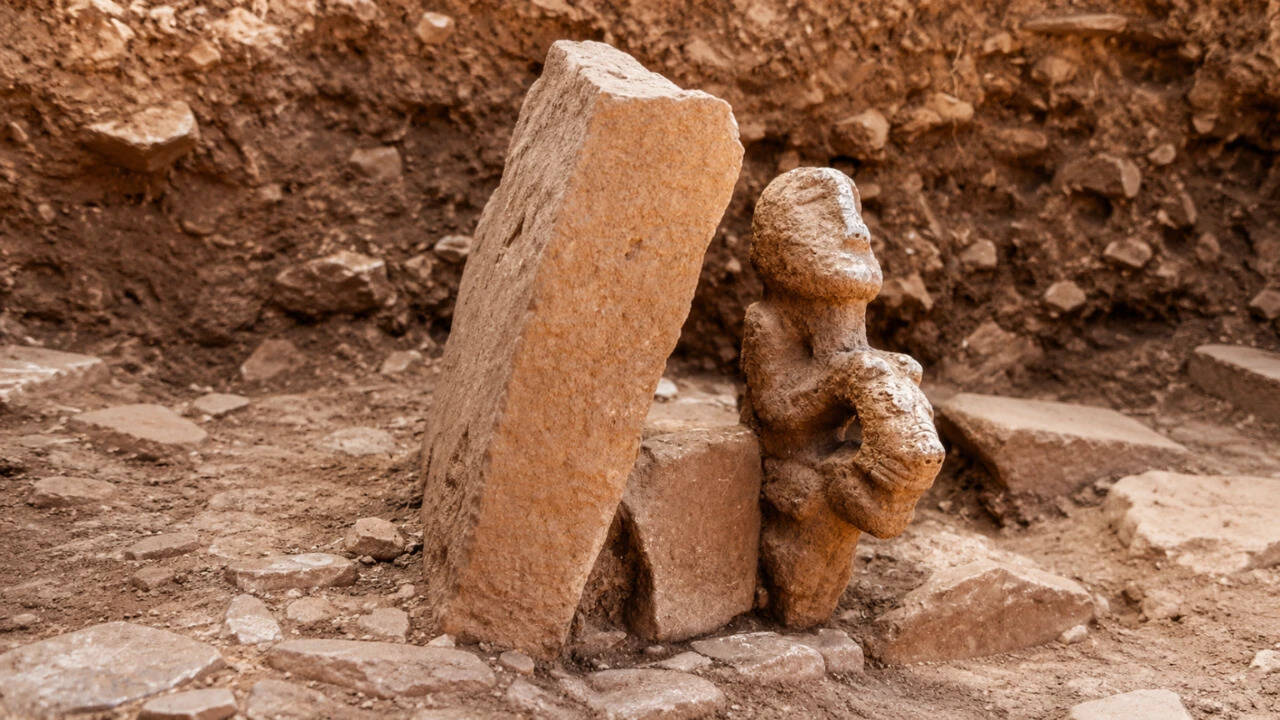
An extraordinary archaeological find has emerged from excavations at Karahantepe in southern Turkey, where researchers uncovered a limestone statue dating back approximately 11,000 years. The sculptural work depicts a human figure mounted on a large feline, believed to represent a leopard, and stands as a significant discovery in understanding prehistoric artistic expression.
The artifact was recovered during systematic excavations at the site, a known hub of Neolithic settlement and cultural activity in the Fertile Crescent region. The composition of the statue—combining human and animal imagery—suggests deep symbolic meaning within the religious or social frameworks of ancient communities inhabiting the area during the early post-glacial period.
Archaeologists indicate that such figurative representations are relatively uncommon in the archaeological record of this era, making the discovery particularly noteworthy for scholars studying the development of artistic traditions and human-animal relationships in prehistoric societies. The statue's craftsmanship demonstrates considerable technical skill in stone carving.
The Karahantepe site has previously yielded significant discoveries relating to early settlement patterns and ritual practices in the region. This latest find adds to the growing body of evidence suggesting that complex symbolic systems and sophisticated artistic traditions existed among hunter-gatherer and early agricultural communities in the Near East thousands of years before the rise of classical civilizations.