World · India Bureau
Ancient teeth reveal diverse diet of 17th-century Osaka residents
Dental calculus found on teeth unearthed in Osaka has provided unprecedented insight into the food habits of common people during the 1600s. The calcified buildup on the teeth contained protein traces from numerous fish, mammal, and plant species, suggesting residents enjoyed broad access to varied foods.
LSN India ·
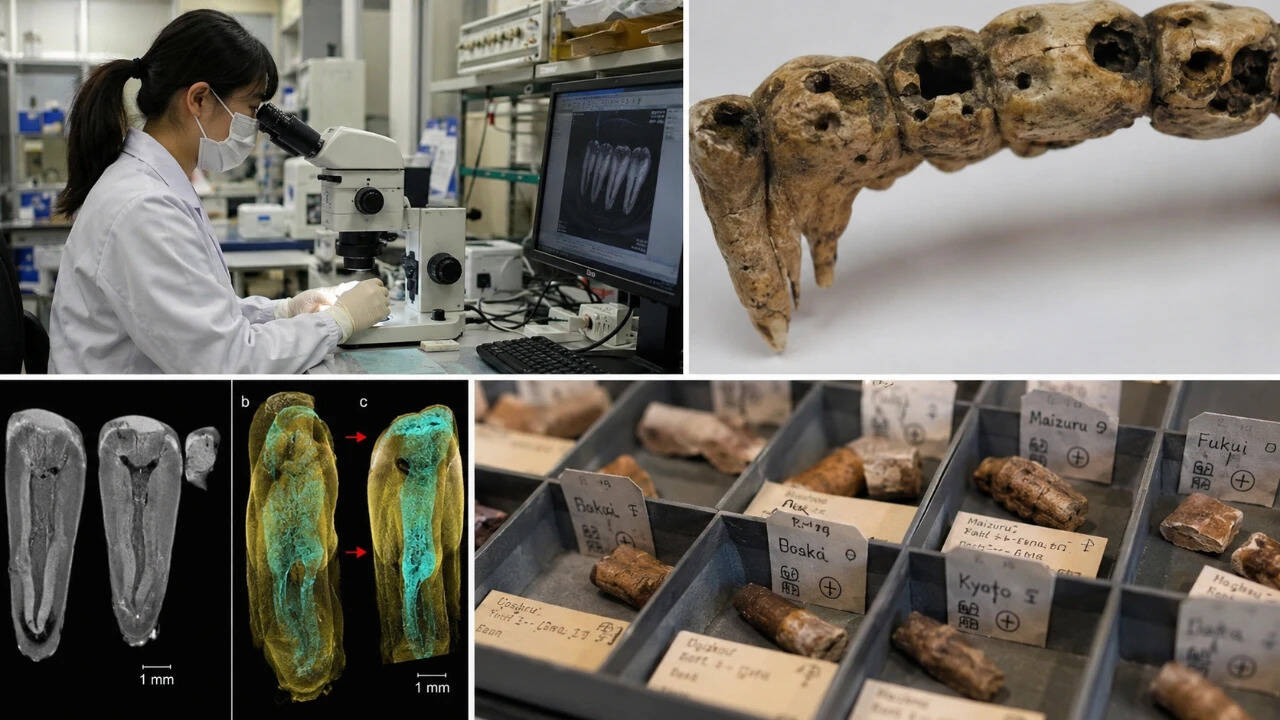
Researchers studying dental remains from excavation sites in Osaka have discovered evidence of a remarkably varied diet among common residents during the 17th century. Analysis of calculus—the hardened plaque that accumulates on teeth over time—revealed protein residues from dozens of different species, painting a picture of dietary diversity rarely documented from this period of Japanese history.
The protein traces identified in the dental deposits included fish, terrestrial mammals, and plants, indicating that Osaka's residents enjoyed access to a range of food sources. Scholars attribute this dietary variety to Osaka's strategic position as a major distribution hub during the Edo period, which facilitated the flow of diverse foodstuffs through the city.
This archaeological finding offers a valuable window into the food culture and economic conditions of premodern Japan, particularly regarding the nutritional accessibility available to commoners rather than just the elite. The dental calculus essentially served as a biological archive, preserving remnants of meals consumed centuries ago and providing researchers with direct evidence of historical consumption patterns.
The research underscores how innovative analytical techniques applied to skeletal remains can reveal intimate details about daily life in the past. By examining microscopic evidence preserved in teeth, scientists can reconstruct aspects of historical diets and social conditions that traditional documentary sources often fail to capture.