World · India Bureau
Ancient Uzbek stone tools prefigure European weapons by millennia
Archaeological discoveries in Uzbekistan have revealed stone implements that bear striking similarities to weapons crafted in Europe thousands of years later, suggesting independent parallel development in tool-making technology.
LSN India ·
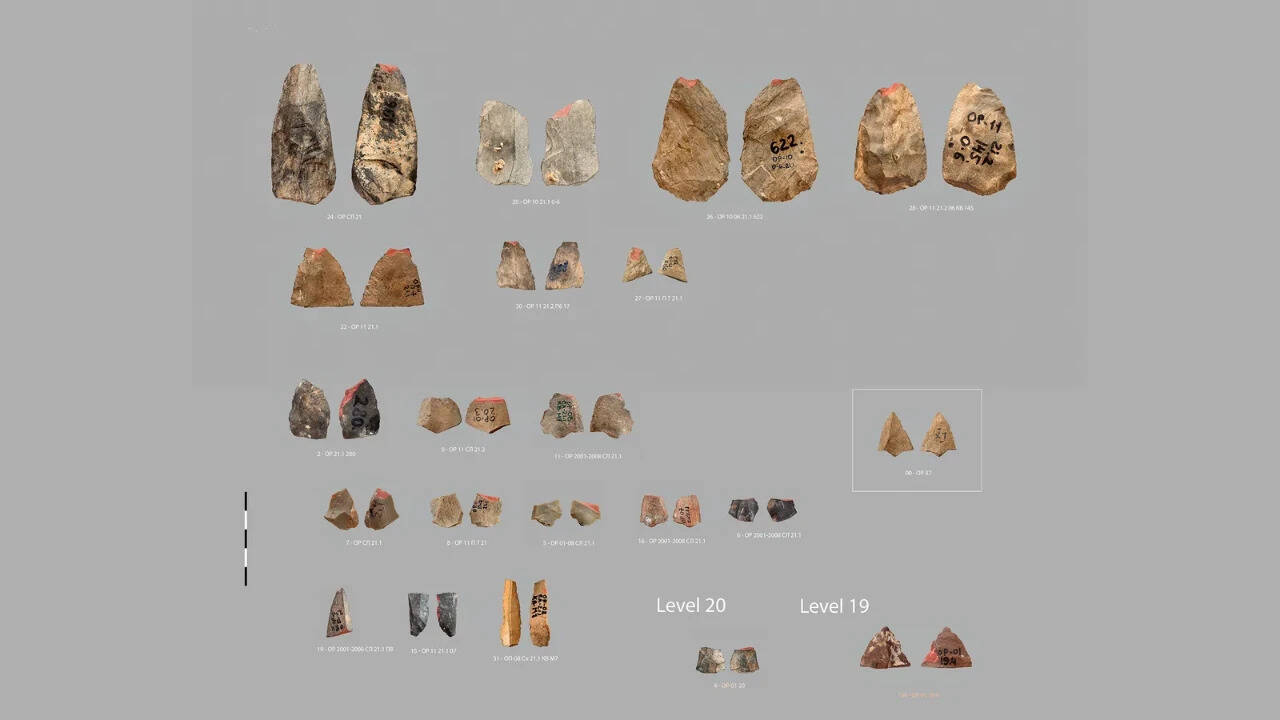
Researchers examining prehistoric artifacts from Uzbekistan have identified stone tools that closely resemble European weapons created approximately 25,000 years after their Central Asian counterparts, according to archaeological analysis.
The findings suggest that distant human populations, separated by vast geographical distances and with no known contact, developed remarkably similar manufacturing techniques and tool designs during different periods. This phenomenon provides evidence of convergent innovation in prehistoric technology, where similar practical challenges prompted independent solutions across different regions and time periods.
The Uzbek implements, dated to an earlier period, share distinctive characteristics with later European weapons, including comparable shapes, edge configurations, and apparent functional purposes. Such discoveries are significant in understanding how early humans adapted to their environments and developed solutions to hunting and survival challenges.
Archaeologists note that these findings underscore the sophisticated cognitive and technical abilities of prehistoric populations across Eurasia. The independent emergence of similar tools in geographically distant locations demonstrates that innovation in stone-working was not confined to single regions but emerged wherever human populations faced comparable environmental and subsistence demands.
The research contributes to broader understanding of human technological development during the Paleolithic era and challenges assumptions about the origins and spread of specific tool technologies across ancient civilizations.