World · India Bureau
Ancient Viking woman's clothing preserved by jewellery corrosion for 1,300 years
Danish archaeologists have uncovered rare textile remains from a Viking-era burial near Varde, with the garments remarkably preserved by chemical corrosion from metal jewellery. The discovery provides unprecedented insight into Viking dress and personal adornment practices from the early medieval period.
LSN India ·
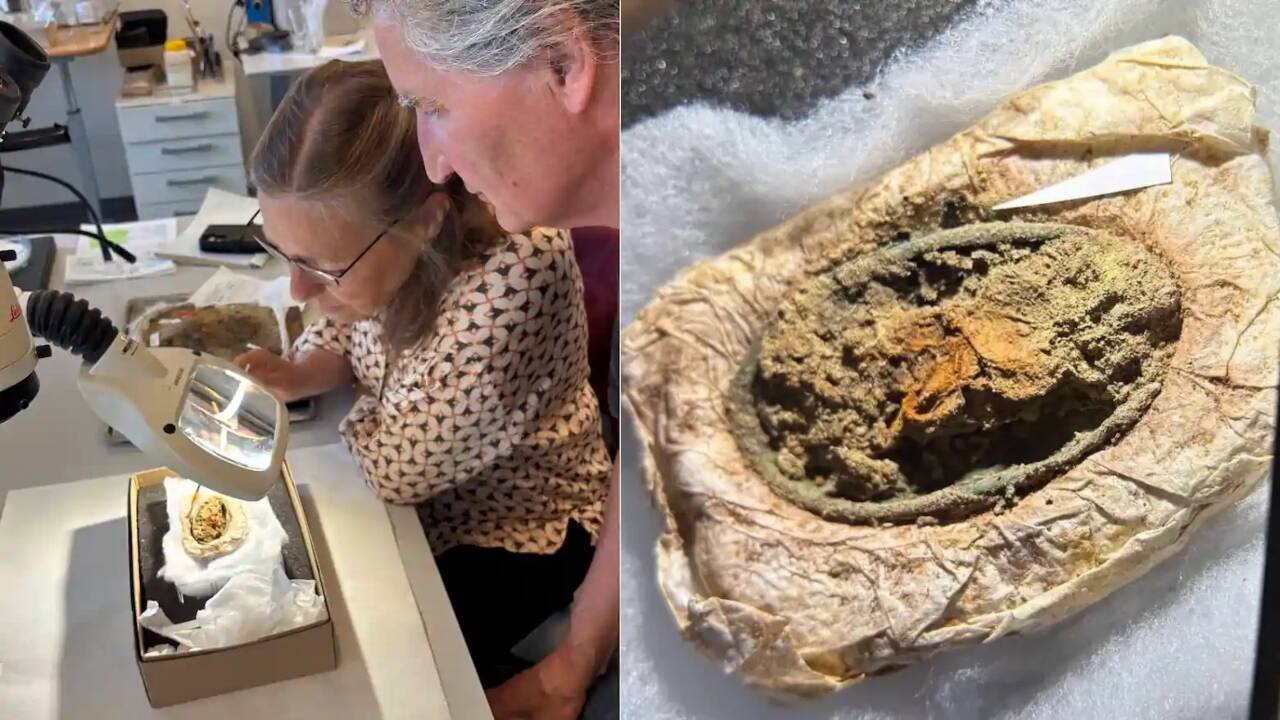
Researchers excavating near Varde in Denmark have recovered fragmented wool and linen textiles associated with a Viking woman's burial, with the cloth's survival attributed to protective corrosion from ornamental metal objects buried alongside the remains. The find represents a significant archaeological discovery, as textile preservation from this era remains exceptionally rare across Scandinavia.
The chemical processes triggered by corroding jewellery created an environment that inhibited the natural decomposition of organic fibres, allowing wool and linen fragments to survive approximately 1,300 years of burial. This accidental preservation mechanism has provided researchers with direct material evidence of Viking-era clothing construction and fibre types used during the period.
Scientists plan to conduct detailed analysis of the textile fibres to establish their origin and production methods, while examination of skeletal remains will provide additional biographical information about the deceased. Radiocarbon dating of the textiles will help determine whether the ornaments were contemporary with the burial or represented inherited heirlooms, offering insights into Viking burial practices and material culture.
The discovery contributes to growing archaeological understanding of Viking daily life and craftsmanship at a time when written records remain sparse. Such textile finds are crucial for comprehending the material world of early medieval Scandinavian societies.