World · India Bureau
Ancient Wall Unearthed in Paris May Reveal Settlement Origins
Archaeological excavations in Paris have uncovered a 2,000-year-old wall structure that could shed new light on the city's earliest history and the location of the ancient settlement of Lutecia. The discovery may help resolve long-standing debates about Paris's founding.
LSN India ·
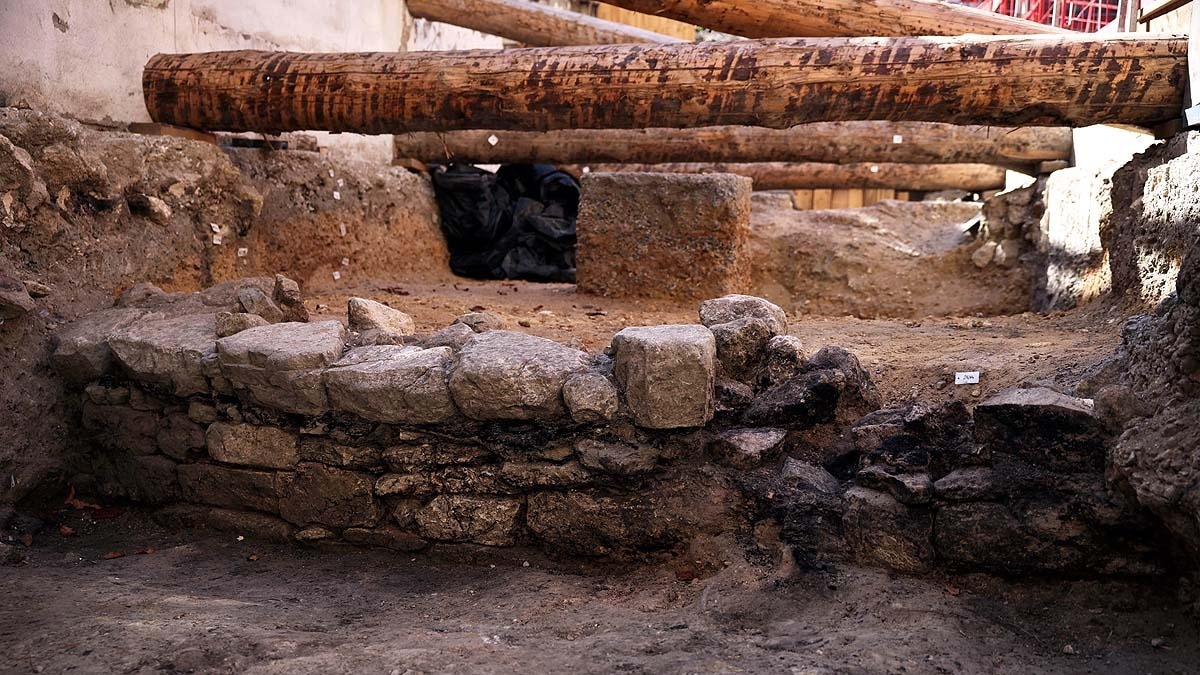
A significant archaeological find in Paris has renewed interest in understanding the city's ancient origins. Excavations have revealed a well-preserved wall structure dating back approximately 2,000 years, offering fresh evidence about the city's early development and the settlement patterns of ancient Lutecia.
The discovery comes amid ongoing scholarly discussion about Paris's founding and the role of Lutecia, the Roman settlement that preceded the modern city. Researchers believe the unearthed wall structure could provide crucial insights into where the earliest settlements were established and how they developed over time.
Archaeologists suggest the ancient wall may have served defensive or administrative purposes in the settlement layout. The find represents an important contribution to understanding the urban development of Paris during the Roman period and the transition from ancient Lutecia to the medieval city that followed.
The excavation results are expected to inform future research into Paris's archaeological record and early history. Experts indicate that the structural remains could help clarify the geographical and chronological development of human settlement in the region, potentially resolving questions that have long puzzled historians studying the origins of the French capital.