World · India Bureau
Ancient wisdom identifies five qualities that define an ideal son
Classical Indian philosophy, as outlined in Chanakya Niti, describes specific virtues that distinguish exemplary sons and elevate family standing. Understanding these five core qualities offers insight into character development and family values.
LSN India ·
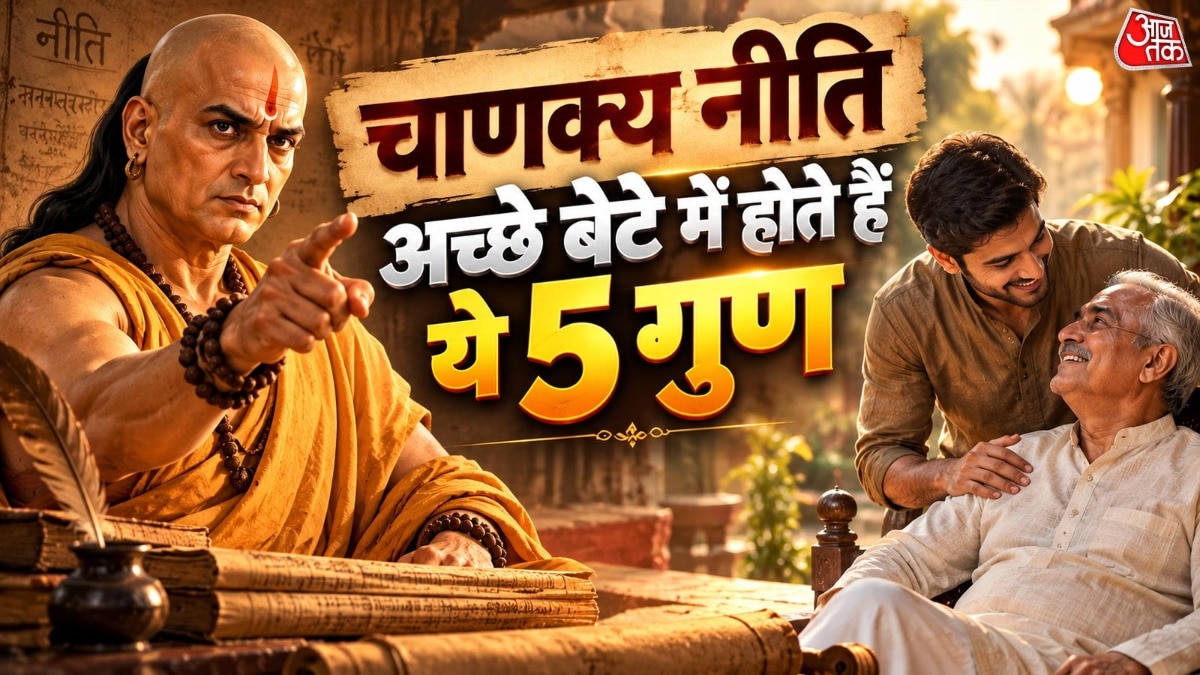
According to Chanakya Niti, the ancient treatise on governance and personal conduct, an ideal son embodies five fundamental qualities that contribute to both personal integrity and family honor. These virtues, rooted in classical Indian philosophy, have influenced concepts of character development for centuries across the subcontinent.
The first quality emphasizes respect and obedience toward elders and parents, forming the foundation of a well-ordered household. A son who honors his family's wisdom and traditions demonstrates maturity and emotional intelligence. The second quality centers on education and intellectual pursuit, recognizing that knowledge strengthens both individual capability and family reputation.
The third quality highlights ethical conduct and moral integrity in all dealings. A son who maintains honesty and principles in personal and professional life brings dignity to his family name. The fourth quality focuses on self-discipline and the ability to control impulses, ensuring that personal desires do not override familial or social responsibilities.
The fifth and final quality pertains to compassion and service toward the community. A son who contributes positively to society and demonstrates concern for others extends his family's influence beyond household boundaries. Together, these attributes create what classical texts describe as a sanskari putra—a culturally refined and principled son whose character elevates family standing and social respect.
These ancient principles continue to resonate in contemporary Indian society, where family values remain central to cultural identity. The Chanakya framework suggests that parental guidance toward developing these qualities produces individuals who bring honor and stability to their families across generations.