World · India Bureau
Ancient wisdom on character: Confucius on virtue and self-regard
Philosophical teachings from China's most influential thinker continue to resonate across Asia, offering timeless insights into personal conduct and moral integrity.
LSN India ·
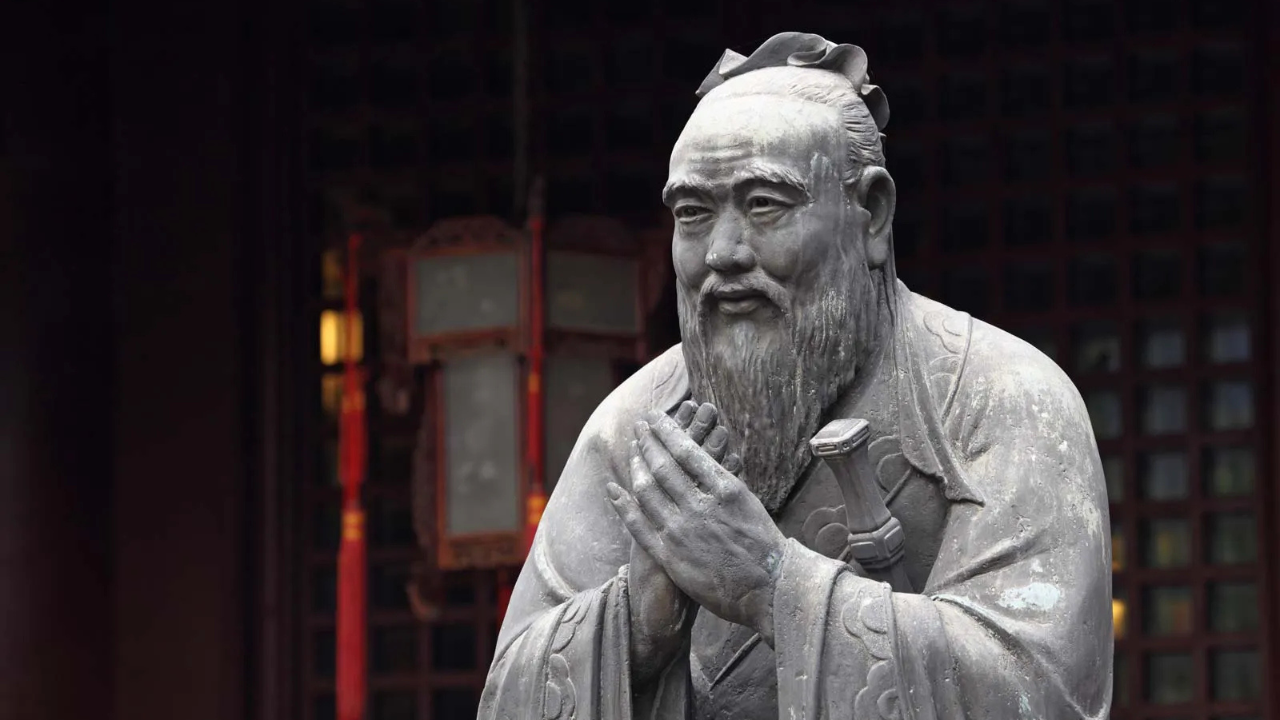
The enduring legacy of Confucian thought remains deeply woven into the cultural fabric of South and Southeast Asia, where his teachings on ethics and personal virtue continue to influence contemporary discussions on character and conduct.
Central to Confucian philosophy is the concept of the exemplary person—one whose moral foundation is so firmly established that external validation becomes inconsequential. This principle reflects a broader Eastern philosophical tradition that emphasizes internal cultivation over external circumstance.
Confucius, who lived from 551 to 479 BCE in ancient China, developed a comprehensive system of thought addressing governance, family relationships, and individual moral development. His aphorisms and teachings, compiled by disciples in texts such as the Analects, have transcended geographical and temporal boundaries to influence philosophers, leaders, and ordinary citizens across the region.
The philosopher's emphasis on self-cultivation and virtue continues to resonate in modern Asia, where educational systems and social discourse frequently reference Confucian values. His teachings on rectification of names, propriety, and the development of character through study and reflection remain relevant to contemporary questions about ethics and social responsibility.
Scholars and cultural observers note that Confucian principles offer practical frameworks for addressing modern challenges, from interpersonal relationships to institutional governance, demonstrating the adaptability and resilience of ancient wisdom traditions.