Politics · India Bureau
Andhra Pradesh's new pedestrian policy aims to reshape urban mobility
Andhra Pradesh has unveiled a comprehensive Pedestrian Safety and Universal Accessibility Policy designed to transform how millions of daily walkers navigate the state's cities. The initiative promises safer streets and improved access to essential services for pedestrians across the region.
LSN India ·
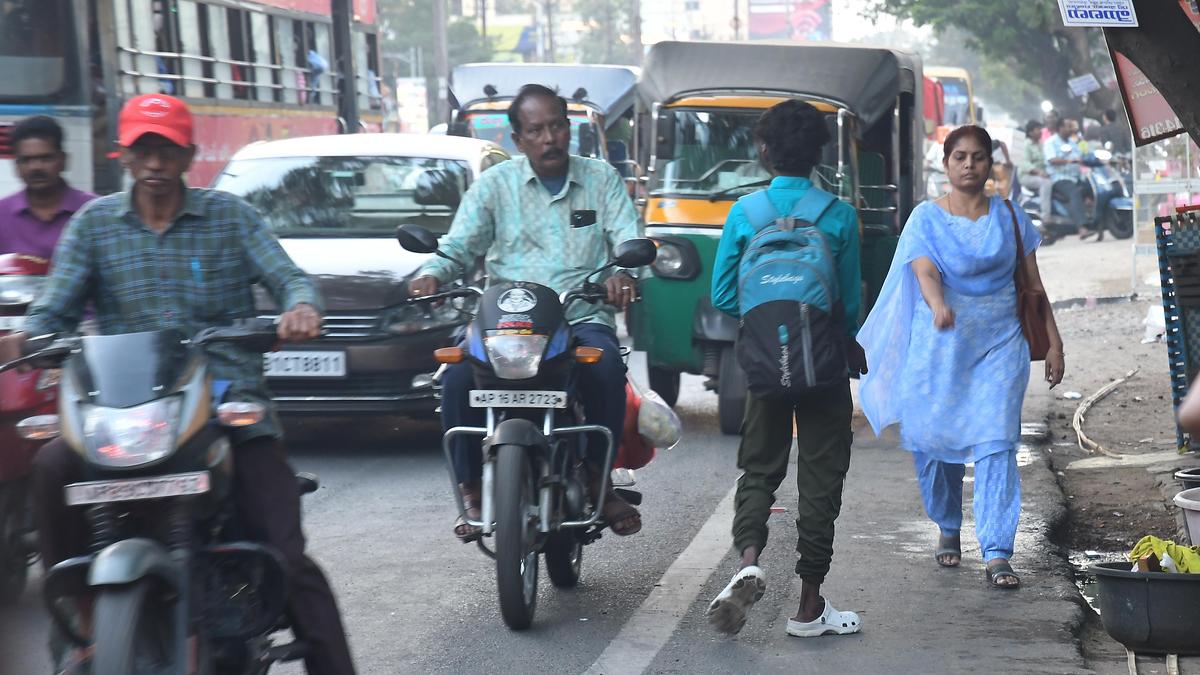
The policy represents a significant shift in urban planning priorities for Andhra Pradesh, placing the needs of pedestrians at the center of public infrastructure development. For millions of residents who rely on walking to reach bus stops, schools, markets, workplaces and other community facilities, the measure could fundamentally alter their daily experience on city streets.
Under the new framework, the state government has committed to prioritizing safety measures and accessibility standards in pedestrian zones. The policy aims to address long-standing gaps in infrastructure that have historically disadvantaged walkers, who form a substantial portion of the urban population, particularly among lower-income communities who lack access to personal vehicles.
The initiative encompasses provisions for improved sidewalk construction and maintenance, better traffic management at pedestrian crossings, and enhanced accessibility for people with disabilities. Officials have indicated that implementation will involve coordination between municipal corporations and state authorities to ensure consistent standards across urban areas.
Experts in urban mobility have noted that such policies are increasingly important in South Asian cities where pedestrian accidents and inadequate walking infrastructure remain significant public health concerns. The Andhra Pradesh policy is expected to serve as a reference point for other states considering similar measures to improve street safety and accessibility for non-motorized transport users.
State authorities have outlined a phased implementation schedule, with priority given to high-traffic areas and routes connecting essential services. The success of the initiative will likely depend on adequate resource allocation and coordination between various government departments responsible for urban development and traffic management.