Politics · India Bureau
Andhra Pradesh tribal communities battle persistent landlessness and poverty
The Yanadi and Chenchu communities in Andhra Pradesh continue to face severe marginalization despite government welfare initiatives. Trapped in cycles of landlessness and precarious livelihoods, these indigenous groups remain isolated from urban development and economic opportunities.
LSN India ·
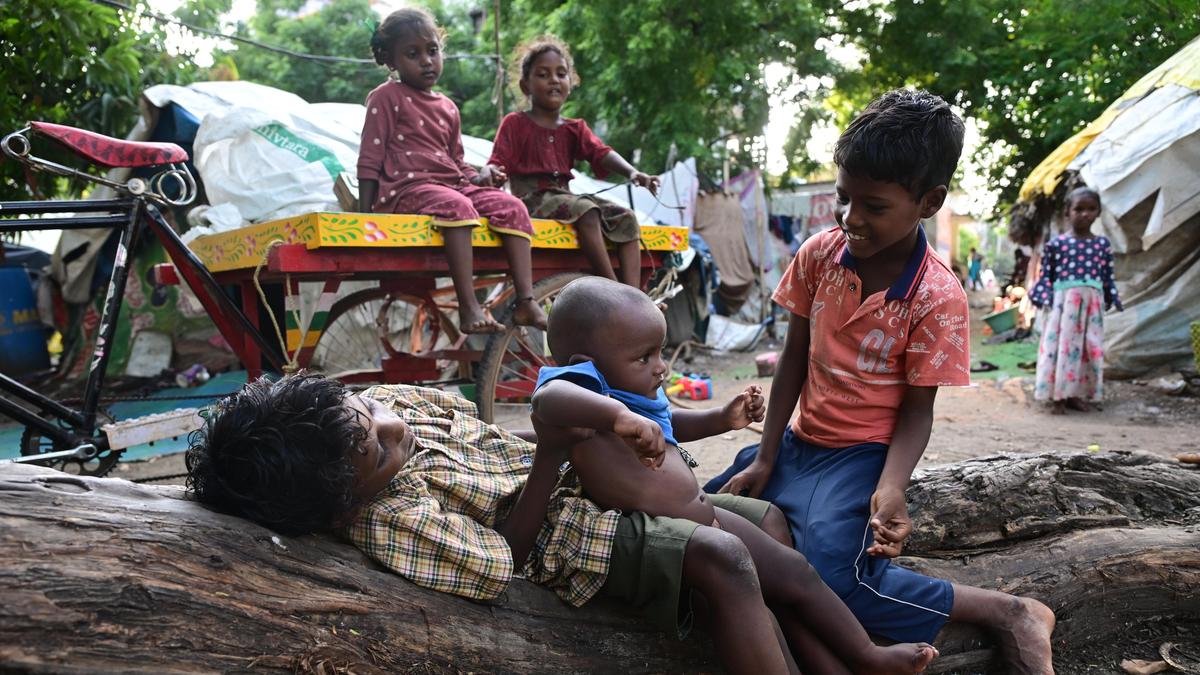
The Yanadi and Chenchu tribal settlements across Andhra Pradesh present a stark portrait of social and economic exclusion, with residents struggling against entrenched patterns of landlessness and inadequate housing. Despite decades of welfare schemes and developmental programmes, the gap between their living conditions and those in surrounding urban areas remains pronounced, highlighting the limited impact of state interventions.
Landlessness continues to define the economic reality for many families within these communities, forcing reliance on irregular, low-wage labour and subsistence activities. Housing remains insecure, with settlements often lacking basic infrastructure such as reliable water supply, sanitation facilities, and electricity connections. These conditions perpetuate a cycle of poverty that successive government initiatives have struggled to address effectively.
The disconnect between policy implementation and ground-level outcomes reflects broader challenges in delivering inclusive development to remote and marginalized populations. Government welfare schemes, while present, appear insufficient to bridge the gap in living standards and create sustainable economic opportunities. Community leaders and development workers point to the need for more targeted interventions that address the root causes of marginalization rather than symptom management.
Local advocacy groups emphasize that meaningful progress requires securing land rights, improving access to quality education and healthcare, and creating viable livelihood opportunities. Without substantive reforms and genuine implementation of existing entitlements, these communities face the prospect of continued exclusion from the state's economic development narrative.