World · India Bureau
Animal life may have emerged 200 million years earlier, Oxford study finds
A new research study from Oxford University challenges the conventional timeline of animal evolution, suggesting that complex life forms may have developed significantly earlier than previously believed. The findings could reshape our understanding of how life diversified on Earth.
LSN India ·
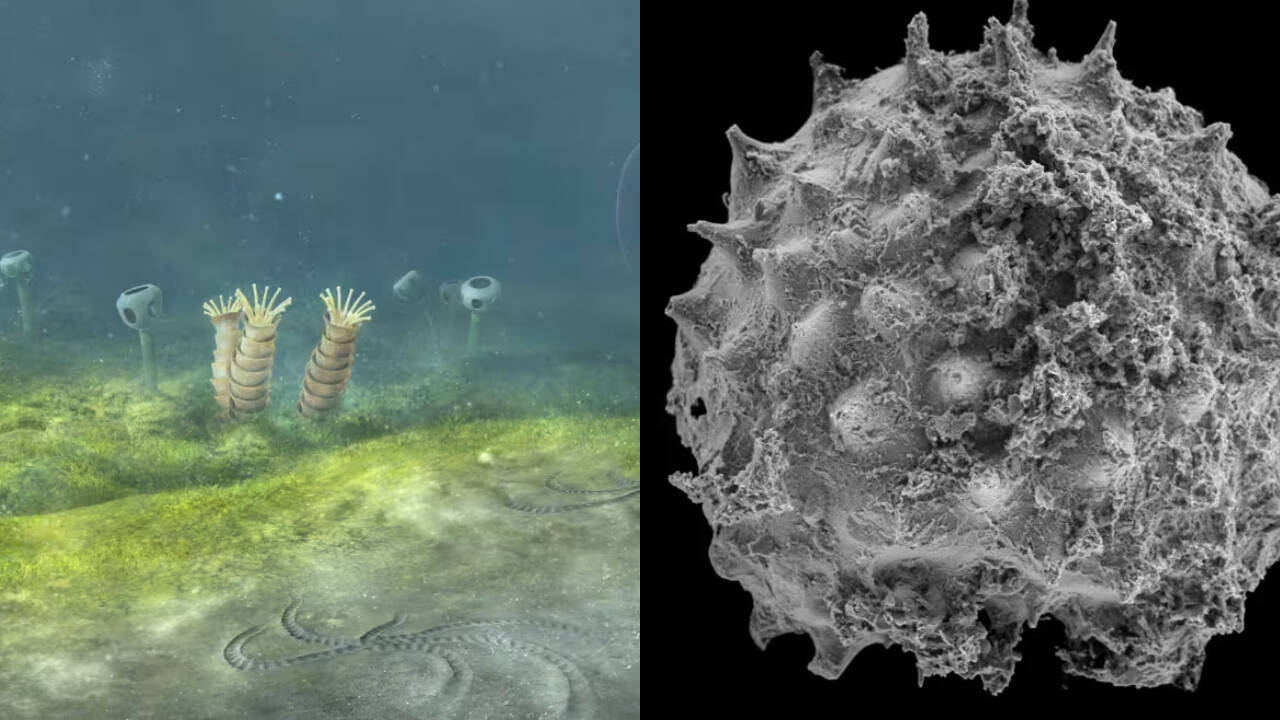
Researchers at Oxford University have proposed that animals may have evolved approximately 200 million years earlier than current scientific consensus indicates, according to a new study. The research challenges the established timeline of life's emergence on Earth and suggests that complex organisms developed during a period previously thought to be dominated only by simpler life forms.
The study analysed existing fossil records and genetic evidence to develop their revised chronology. By examining patterns in molecular data and comparing them with paleontological findings, the Oxford team identified inconsistencies in the traditional dating of when animals first appeared in Earth's history.
If validated by further research, these findings would significantly alter our understanding of evolutionary history and the early development of life on the planet. The research suggests that the explosion of animal diversity may have occurred over a much longer timeframe than previously documented, with origins extending far deeper into geological time.
The implications of the study extend beyond academic circles, potentially affecting how scientists interpret early fossil records and understand the mechanisms driving evolutionary change. Experts in paleontology and evolutionary biology are expected to subject the findings to rigorous scrutiny as the scientific community evaluates the new timeline.