World · India Bureau
Ant colonies grow stronger with age, defying typical aging patterns
A surprising finding shows that ant colonies become more resilient and reproductively successful as they age, overturning conventional understanding of how biological aging works. Researchers have discovered that older ant groups demonstrate enhanced survival rates and breeding capacity.
LSN India ·
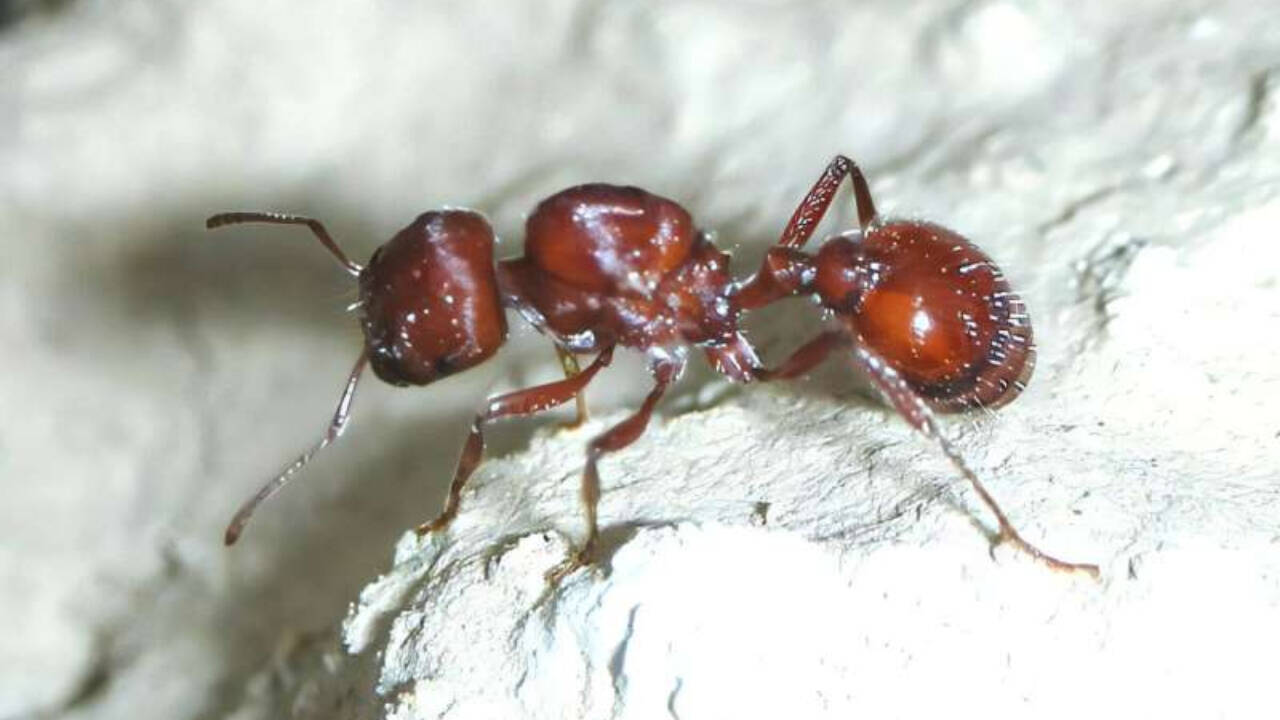
Scientists studying ant colonies have documented an unusual phenomenon: rather than declining with age like most organisms, ant communities actually become more robust and capable of reproduction as they mature. The research challenges traditional models of biological aging that predict organisms deteriorate over time.
The study examined colony performance across different age groups, tracking metrics including survival rates and reproductive success. Older colonies consistently outperformed younger ones, suggesting that the collective nature of ant societies creates unique advantages that strengthen rather than weaken with time. As colonies accumulate members and experience, they develop more efficient systems for resource management, defense, and reproduction.
These findings have implications for understanding collective behavior and social organisms more broadly. The enhanced resilience of mature colonies may stem from accumulated knowledge, optimized social structures, or improved division of labor that develops through years of operation. The research indicates that aging in social insects follows fundamentally different patterns than in solitary organisms.
The discovery opens new avenues for researchers investigating how cooperation and social organization influence longevity and fitness. Understanding why ant colonies thrive with age could provide insights into how group dynamics and collective intelligence contribute to long-term survival and reproduction in nature.