World · India Bureau
Antarctic 'Doomsday Glacier' Poses Greater Sea-Level Risk Than Expected
Scientists warn that the massive Thwaites Glacier in Antarctica is melting faster than previously understood, potentially raising global sea levels by 65 centimetres if it collapses entirely. The glacier currently accounts for roughly 4 per cent of worldwide sea-level rise.
LSN India ·
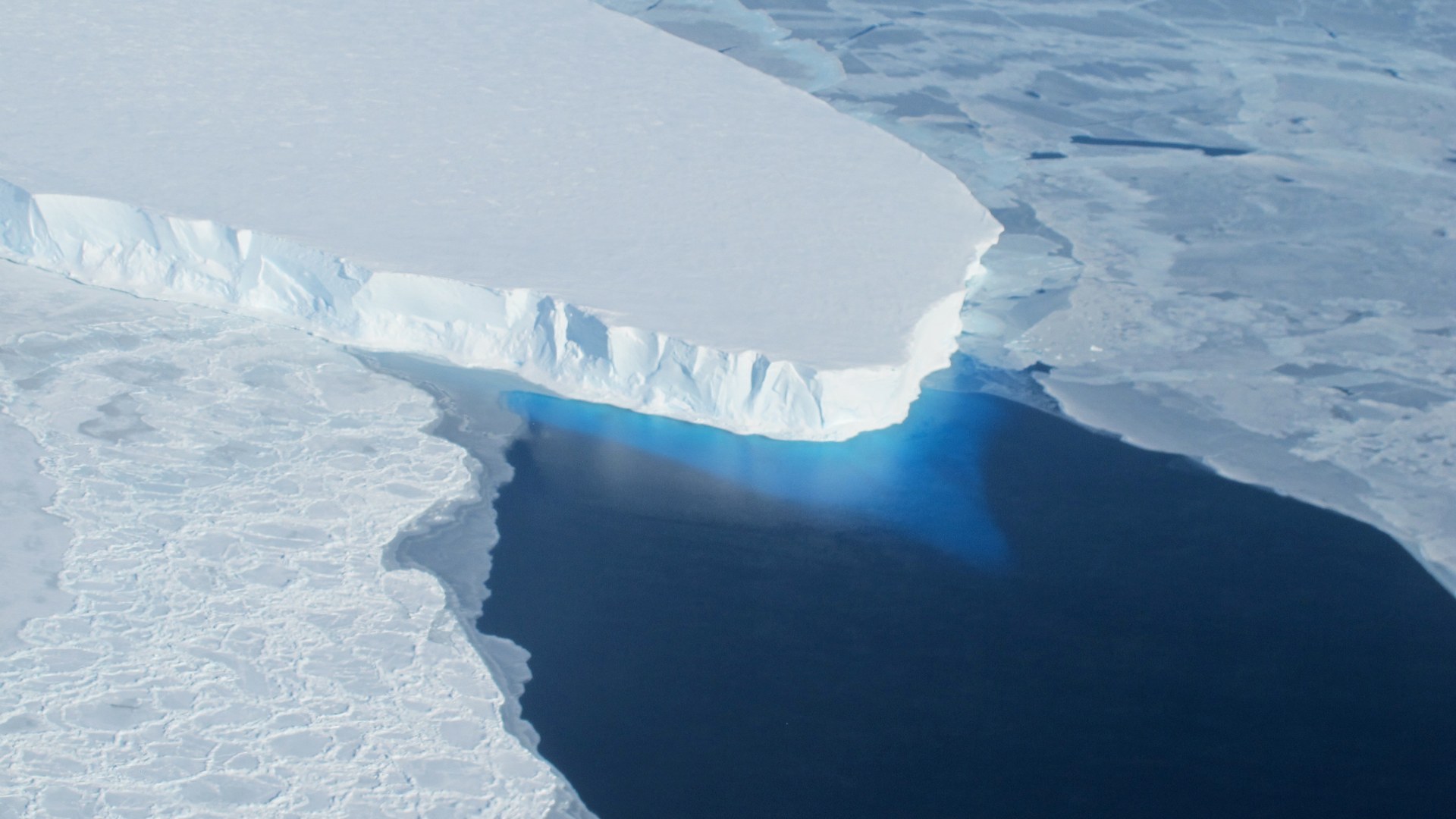
Research indicates that Antarctica's Thwaites Glacier, colloquially known as the 'Doomsday Glacier' due to its precarious stability, represents a more significant threat to coastal regions globally than earlier assessments suggested. The Florida-sized ice mass is experiencing accelerated deterioration, with scientists now recognizing the potential for more dramatic consequences than previously modelled.
Currently, the glacier contributes approximately 4 per cent of global sea-level rise annually. However, researchers have recalibrated their projections regarding a complete collapse scenario. Should the glacier disintegrate entirely, sea levels could rise by an estimated 65 centimetres, substantially affecting coastal populations across the world.
The Thwaites Glacier's vulnerability stems from warming ocean waters and atmospheric temperatures destabilizing its ice shelves. Located in West Antarctica, the glacier is considered a critical tipping point in the climate system. Its deterioration has prompted intensified scientific monitoring and concern among climate researchers worldwide.
For nations across South and Southeast Asia with extensive coastlines and low-lying populations, including Bangladesh, the Maldives, and portions of India, such sea-level rises pose considerable risks to infrastructure, agriculture, and human settlements. Regional governments have begun incorporating these revised projections into long-term climate adaptation and disaster mitigation planning.
Photo: Glacier ice in West Antarctica, from NASA's 2014 study of retreating West Antarctic glaciers including Thwaites. NASA/JPL via Wikimedia Commons (public domain).