World · World News Bureau
Antarctic glacier losing ice at accelerating pace, scientists warn
Research indicates that Thwaites Glacier, a massive Antarctic ice sheet comparable in size to Senegal, is melting far more rapidly than previously documented. The acceleration poses significant risks to global sea levels and coastal communities worldwide.
LSN World News ·
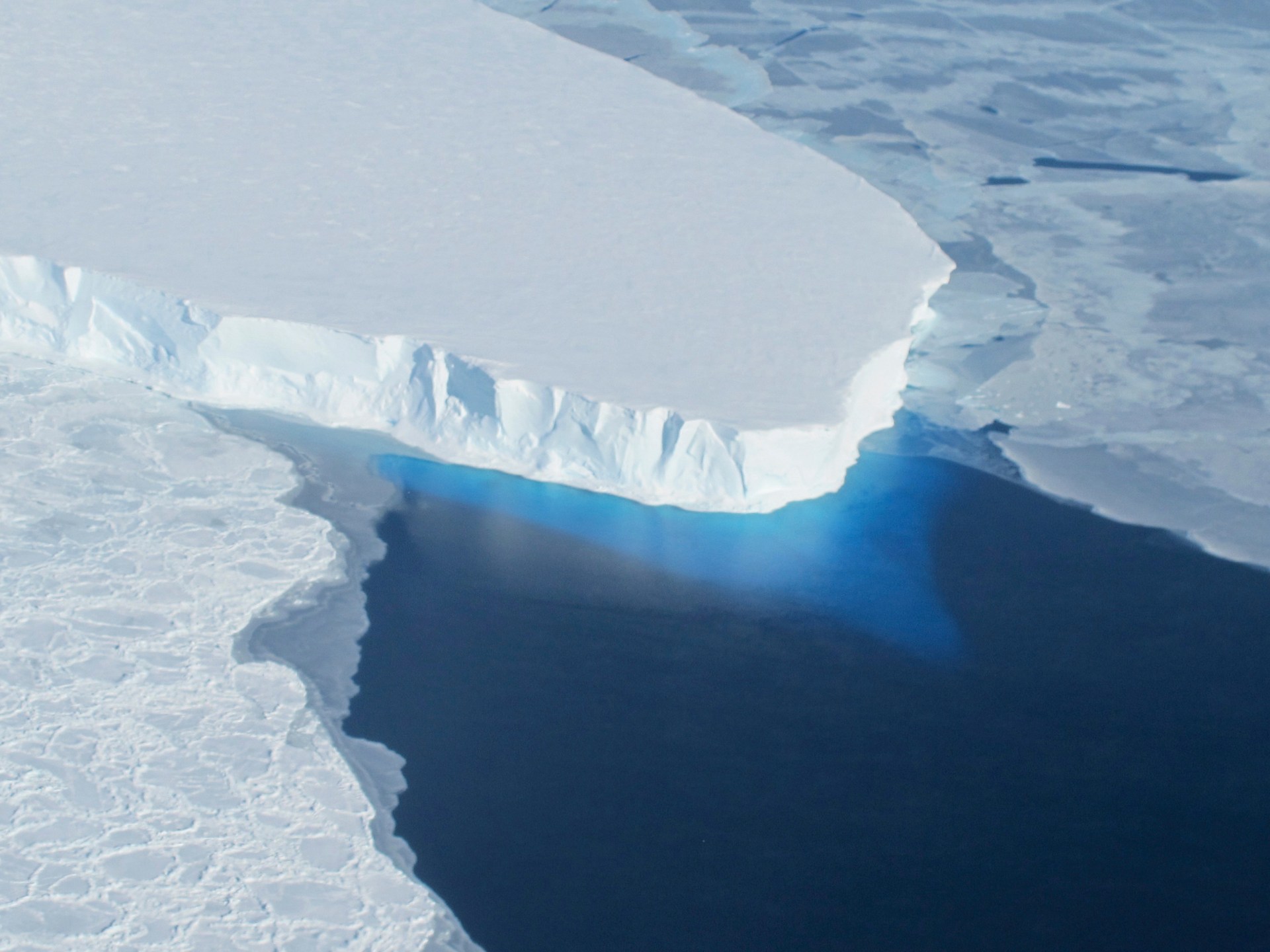
Scientists monitoring Thwaites Glacier in West Antarctica have documented a troubling trend of accelerating ice loss, raising fresh concerns about the stability of one of the continent's most consequential glaciers. The massive ice formation, which has been shedding ice for decades, now shows evidence of deterioration occurring at rates that outpace earlier projections, according to recent findings.
Thwaites Glacier holds particular significance for global sea-level monitoring due to its vast size and strategic position along the Antarctic coastline. The glacier's ongoing retreat has been tracked through satellite imagery and field observations, which together paint a picture of increasing vulnerability to warming ocean temperatures and atmospheric conditions.
The implications of accelerated melting extend far beyond Antarctica itself. Scientists emphasize that rapid ice loss from major Antarctic glaciers could contribute substantially to sea-level rise in coming decades, potentially affecting coastal infrastructure and populations across the globe. The pace of change observed at Thwaites has prompted researchers to reassess their long-term projections for ice sheet stability in the region.
Continued monitoring efforts are underway to better understand the mechanisms driving the glacier's retreat and to refine predictive models. Climate researchers stress that understanding Thwaites' behavior remains critical for assessing future sea-level scenarios and informing coastal adaptation strategies worldwide.