Technology · India Bureau
Antarctic glaciers retreat faster than expected, but long-term collapse uncertain
A comprehensive satellite analysis reveals that Antarctica's glaciers are losing ice more rapidly than previously predicted, though newly stabilized cliff formations suggest the catastrophic scenarios may not materialize. The findings offer a more nuanced picture of ice sheet dynamics in the polar region.
LSN India ·
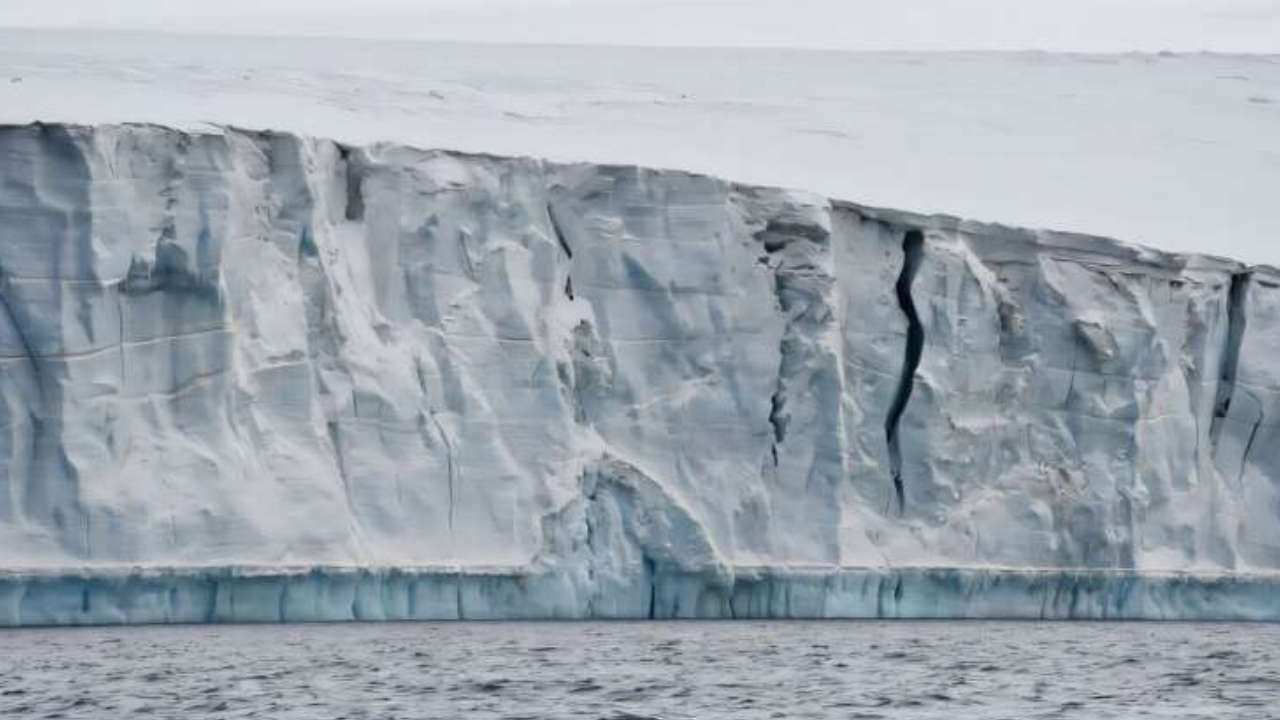
Antarctic glaciers are retreating at an accelerated pace, according to a new study that analyzed over 15,000 satellite images to track ice cliff behavior across the continent. Researchers monitoring these formations found that while some glacial cliffs displayed rapid initial retreat, many subsequently stabilized rather than undergoing the complete collapse that earlier models had suggested might occur.
The research indicates that factors including water depth and the underlying bedrock topography play crucial roles in determining whether glacier cliffs will experience catastrophic failure or eventual stabilization. Scientists used the extensive satellite dataset to map patterns of ice loss and identify the geological and physical conditions that influence ice sheet stability.
The findings complicate earlier projections about Antarctic ice sheet collapse, which had raised concerns about accelerated sea-level rise. The discovery that some glacier cliffs stabilize after rapid retreat suggests that the timeline and magnitude of potential ice loss may differ from previously modeled scenarios. This more detailed understanding of glacial processes underscores the complexity of polar ice dynamics and the importance of continued monitoring.
The study highlights how satellite technology enables scientists to observe large-scale glacial changes across remote regions, providing data that refines long-term predictions about climate impacts. However, researchers emphasize that while some cliffs have stabilized, the overall trend of accelerated glacier retreat continues to warrant close attention from climate scientists and policymakers.