World · World News Bureau
Antarctic krill fishery faces pressure as geopolitical tensions escalate
Commercial krill fishing in Antarctic waters is becoming increasingly contested as nations vie for access to the protein-rich crustacean, raising concerns about sustainability and shifting power dynamics in the Southern Ocean.
LSN World News ·
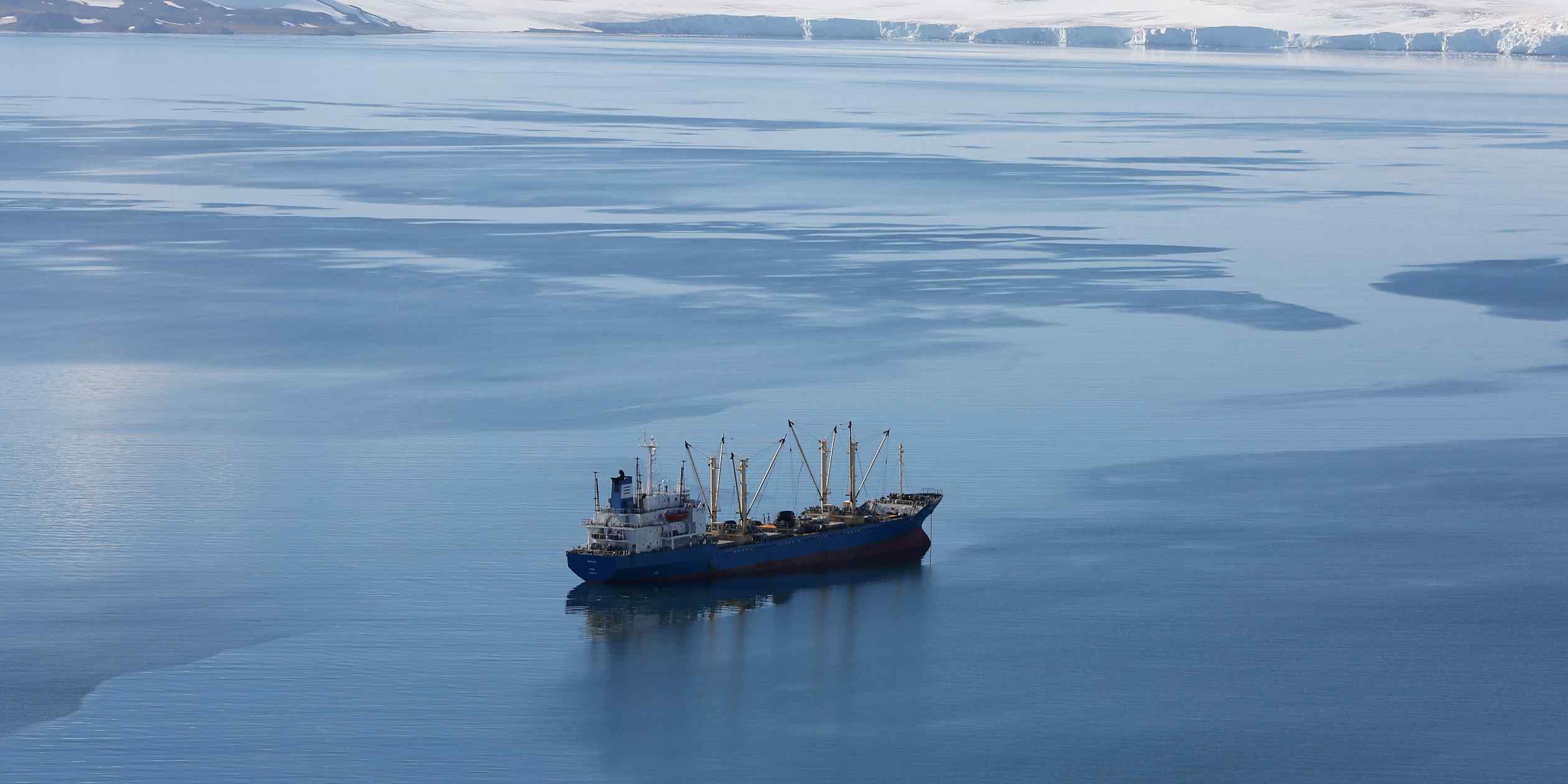
The Antarctic krill fishery has emerged as an unexpected flashpoint in geopolitical competition, as major fishing nations and emerging economic powers jostle for access to one of the world's largest untapped protein sources. Krill, small shrimp-like creatures that form the foundation of Southern Ocean ecosystems, are harvested primarily for use in aquaculture feed, pharmaceutical products, and nutritional supplements, commanding premium prices in global markets.
Traditionally dominated by Norway, Russia, and South Korea, the industry is now seeing increased participation from Chinese and other Asian fishing fleets, fundamentally altering the balance of power in Antarctic waters. This expansion reflects broader geopolitical shifts, with nations seeking to secure resources and expand their economic influence in regions previously considered peripheral to global affairs.
The intensifying competition is raising alarm bells among environmental scientists and conservation advocates. Krill forms a critical link in Antarctic food webs, sustaining whales, seals, penguins, and fish species. The Commission for the Conservation of Antarctic Marine Living Resources (CCAMLR), which regulates the fishery, faces mounting pressure to establish more restrictive catch limits and strengthen monitoring mechanisms.
Experts warn that without coordinated action, unchecked fishing expansion could trigger ecological cascades throughout the Southern Ocean ecosystem. The krill fishery exemplifies how climate change, resource scarcity, and geopolitical realignment are reshaping competition for natural resources in regions once considered remote and marginal to international affairs.