Technology · India Bureau
Antarctic Sea Ice Hits Third-Lowest Winter Peak on Record
Antarctic sea ice reached its maximum winter extent of 17.59 million square kilometres on September 14, marking the third-lowest peak recorded since satellite monitoring began. The decline raises concerns about climate impacts as four consecutive winters have shown historically diminished ice coverage.
LSN India ·
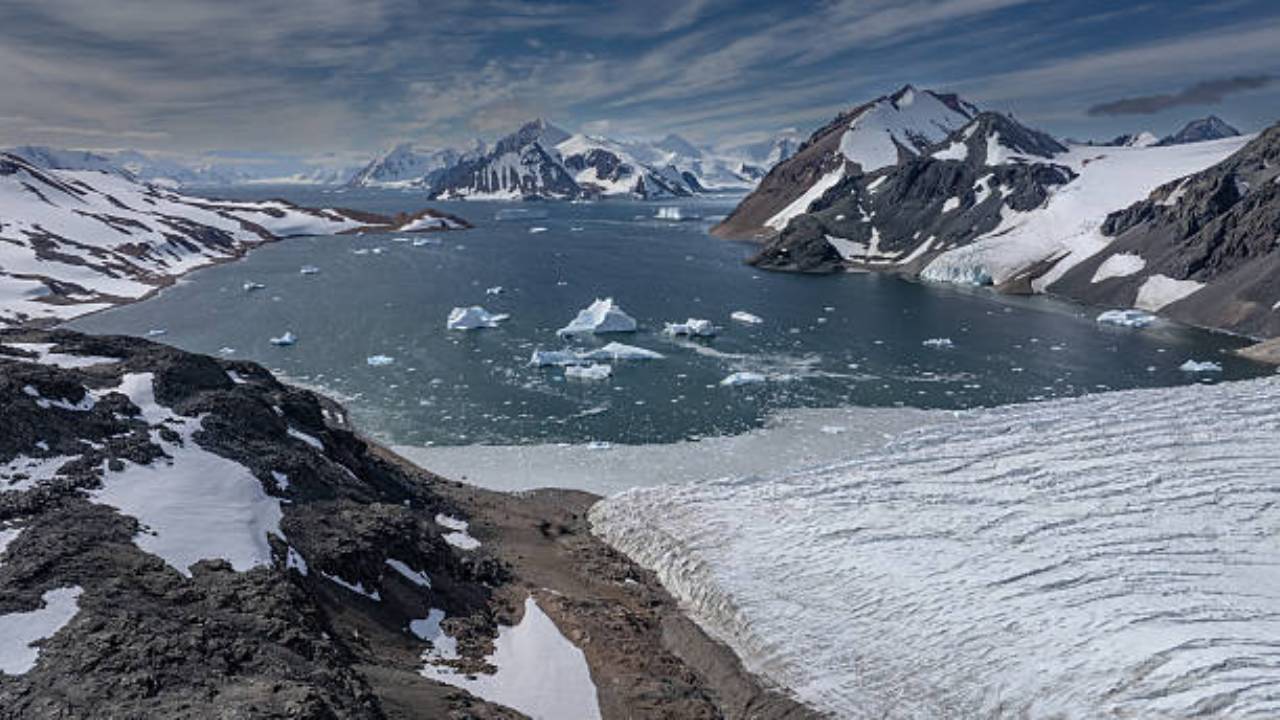
Antarctic sea ice attained its seasonal winter maximum on September 14, extending across approximately 17.59 million square kilometres. Despite reaching peak levels typical of the austral winter, this year's extent represents the third-lowest maximum recorded in the satellite era, continuing a troubling downward trajectory.
The measurement falls notably below long-term historical averages for Antarctic sea ice, intensifying scientific concerns about climate patterns in the Southern Ocean. Satellite records have tracked Antarctic sea ice extent for several decades, providing crucial data on polar climate dynamics and ocean conditions.
The past four consecutive winters have each recorded historically low sea ice levels, establishing an unprecedented pattern that distinguishes recent years from earlier decades. This sustained decline has prompted urgent discussions among climate scientists about potential consequences for global weather systems, ocean circulation patterns, and marine ecosystems dependent on sea ice habitats.
Antarctic sea ice fluctuates seasonally, expanding during winter months and retreating during summer. However, the recent trend of diminished winter maximums suggests changing oceanic and atmospheric conditions in the Southern Hemisphere. Researchers continue monitoring these developments closely as evidence mounts regarding the sensitivity of polar regions to contemporary climate shifts.