World · India Bureau
Anti-India sentiment resurges in Bangladesh amid water-sharing row
Political tensions between India and Bangladesh are escalating following anti-India rhetoric linked to Ganges water distribution disputes. The friction threatens to undermine diplomatic relations just months after February elections in Dhaka.
LSN India ·
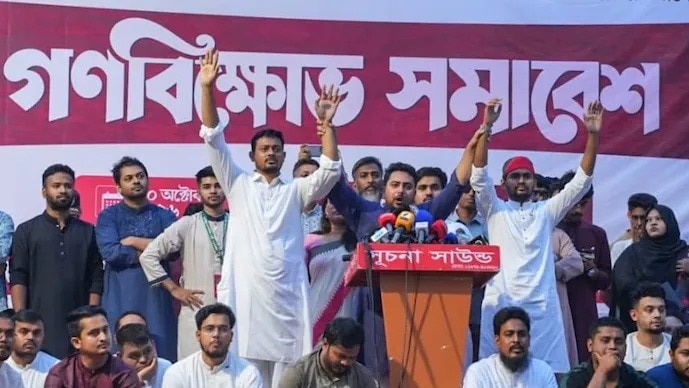
Anti-India sentiment has re-emerged as a prominent feature of Bangladesh's political discourse, marking a shift from the relative calm that followed the country's February elections. Political leaders and activists are increasingly invoking historical grievances and resource disputes to fuel nationalist sentiment against New Delhi.
A key flashpoint involves the allocation of Ganges water, with Bangladeshi politicians linking water access to broader bilateral agreements. Nahid Islam, a prominent opposition leader, issued a pointed warning to India, declaring "no water, no transit," a reference to the transit facilities Bangladesh provides Indian commerce through its territory.
The timing of the escalating rhetoric coincides with mounting economic challenges facing Bangladesh, where inflation and currency pressures have heightened public frustration. Political parties appear to be channeling domestic discontent toward external grievances, using India-related issues as a mobilizing tool.
The water-sharing dispute centers on the Ganges River, which flows from India into Bangladesh. Experts warn that tying water distribution to transit rights could strain the practical cooperation mechanisms both countries rely upon for regional stability and commerce.