Politics · Malaysia Bureau
Anwar Criticises 'Munafik' Label as Political Discourse Grows Toxic
Prime Minister Anwar Ibrahim has spoken out against the increasing use of inflammatory language in Malaysian politics, following a refusal by a senior opposition figure to retract parliamentary remarks containing accusations of hypocrisy.
LSN Malaysia ·
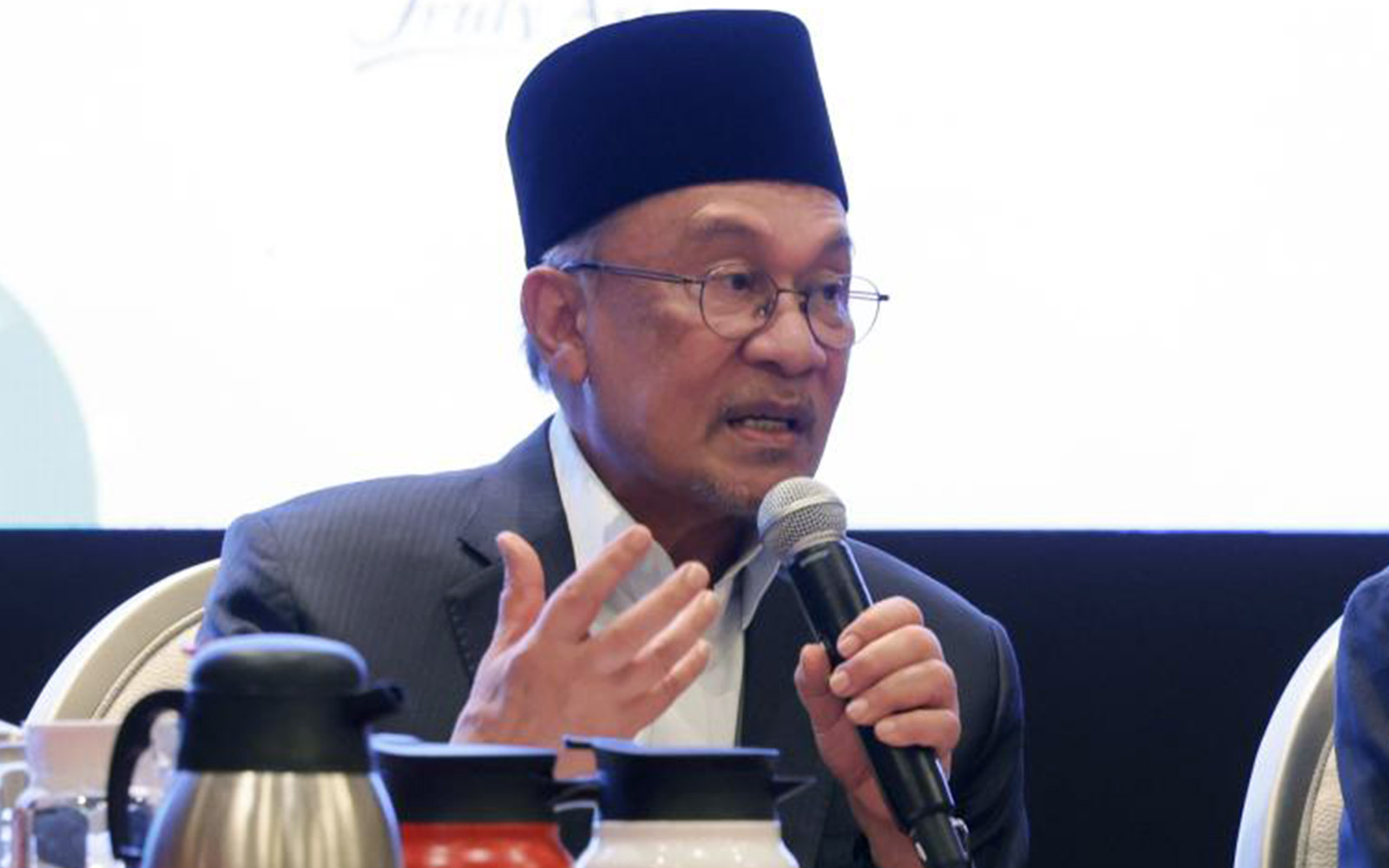
Prime Minister Anwar Ibrahim has expressed concern over what he characterises as a troubling trend of politicians branding opponents as 'munafik'—a Malay term meaning hypocrite—in public discourse. His comments come after PAS secretary-general Takiyuddin Hassan declined to withdraw controversial parliamentary statements that employed the term. The exchange highlights growing tensions over the tone and substance of political debate in the country's legislature.
Anwar's intervention suggests wider frustration within government circles over what many view as increasingly personalised and divisive language dominating parliamentary exchanges. The use of such terminology, often laden with moral and religious connotations in the Malaysian context, has been criticised by various political observers as undermining constructive dialogue and focusing debate on personal attacks rather than policy substance.
Takiyuddin's refusal to retract his remarks underscores the deep partisan divisions currently characterising Malaysian politics. The incident reflects a broader pattern of inflammatory rhetoric that has become more pronounced in recent parliamentary sessions, raising questions about parliamentary decorum and the standards expected of elected representatives.
The disagreement is unlikely to be resolved quickly, given the entrenched positions of both sides. However, Anwar's public criticism signals that calls for more responsible political language are gaining traction among senior government figures, even as opposition figures maintain their combative stance.