Politics · Singapore Bureau
Anwar faces political tightrope over Najib's detention as Malaysia eyes polls
Prime Minister Anwar Ibrahim confronts mounting pressure regarding former premier Najib Razak's house arrest, with electoral calculations complicating any decision on the imprisoned ex-leader's status.
LSN Singapore ·
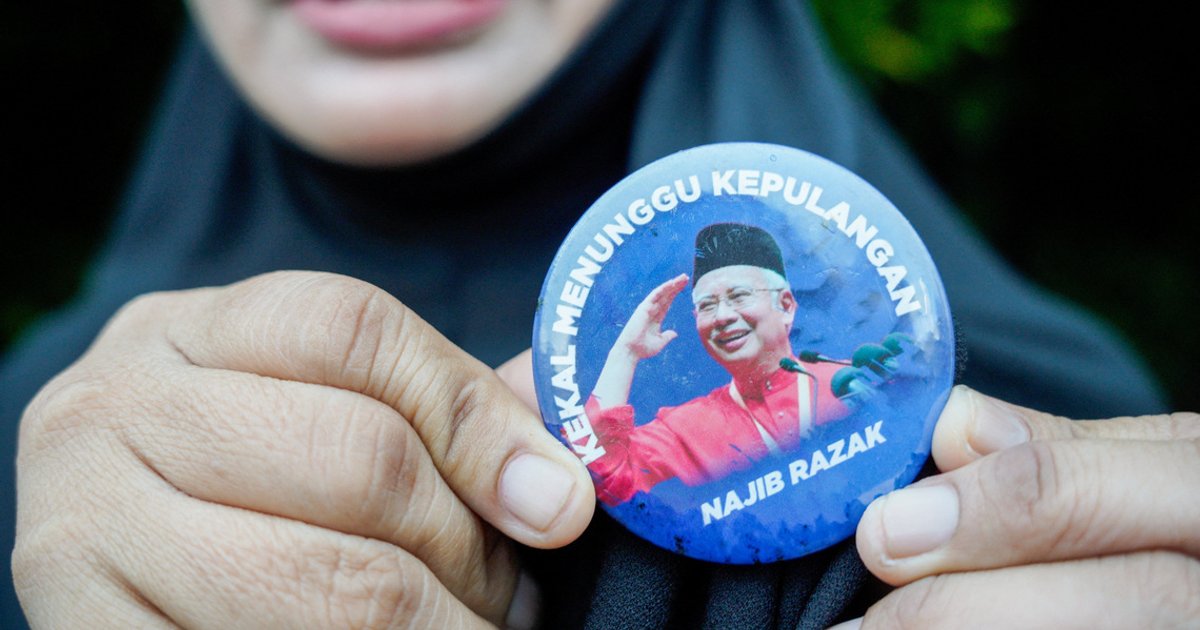
Malaysia's political landscape has grown increasingly fraught as Prime Minister Anwar Ibrahim navigates conflicting pressures surrounding the detention of his predecessor, Najib Razak. The former prime minister, convicted in a high-profile corruption case, remains under house arrest pending appeals. Any move by Anwar's administration risks reopening wounds within UMNO, the dominant political force in Malaysia's ruling coalition, where Najib retains significant support.
Anwar's coalition government has relied on tacit cooperation from UMNO to maintain its parliamentary majority since taking office. Previous political settlements and informal understandings with the party have constrained the current administration's freedom to act independently on high-profile matters affecting UMNO members. Najib's detention represents one such test of those delicate arrangements.
With general elections likely to be called within the coming months, both Anwar and UMNO face calculations that extend beyond individual personalities. Any decision to alter Najib's status—whether through clemency, bail modifications, or other measures—risks triggering backlash from voters concerned about accountability for corruption. Conversely, maintaining the current arrangement could strain the coalition's internal cohesion at a critical political juncture.
The situation underscores broader tensions within Malaysia's political establishment as it attempts to balance reconciliation with demands for accountability. Political analysts note that Anwar's handling of the Najib matter will likely influence perceptions of his government's autonomy and its commitment to anti-corruption efforts in the lead-up to elections.