Politics · Malaysia Bureau
Anwar's wage hikes face pushback from high-earning professionals
Prime Minister Anwar Ibrahim has implemented a significant 33% increase in Malaysia's minimum wage since assuming office, though the move has drawn criticism from well-compensated consultants and industry lobbyists. Observers note that opposition to further wage increases often stems from those earning considerably higher incomes.
LSN Malaysia ·
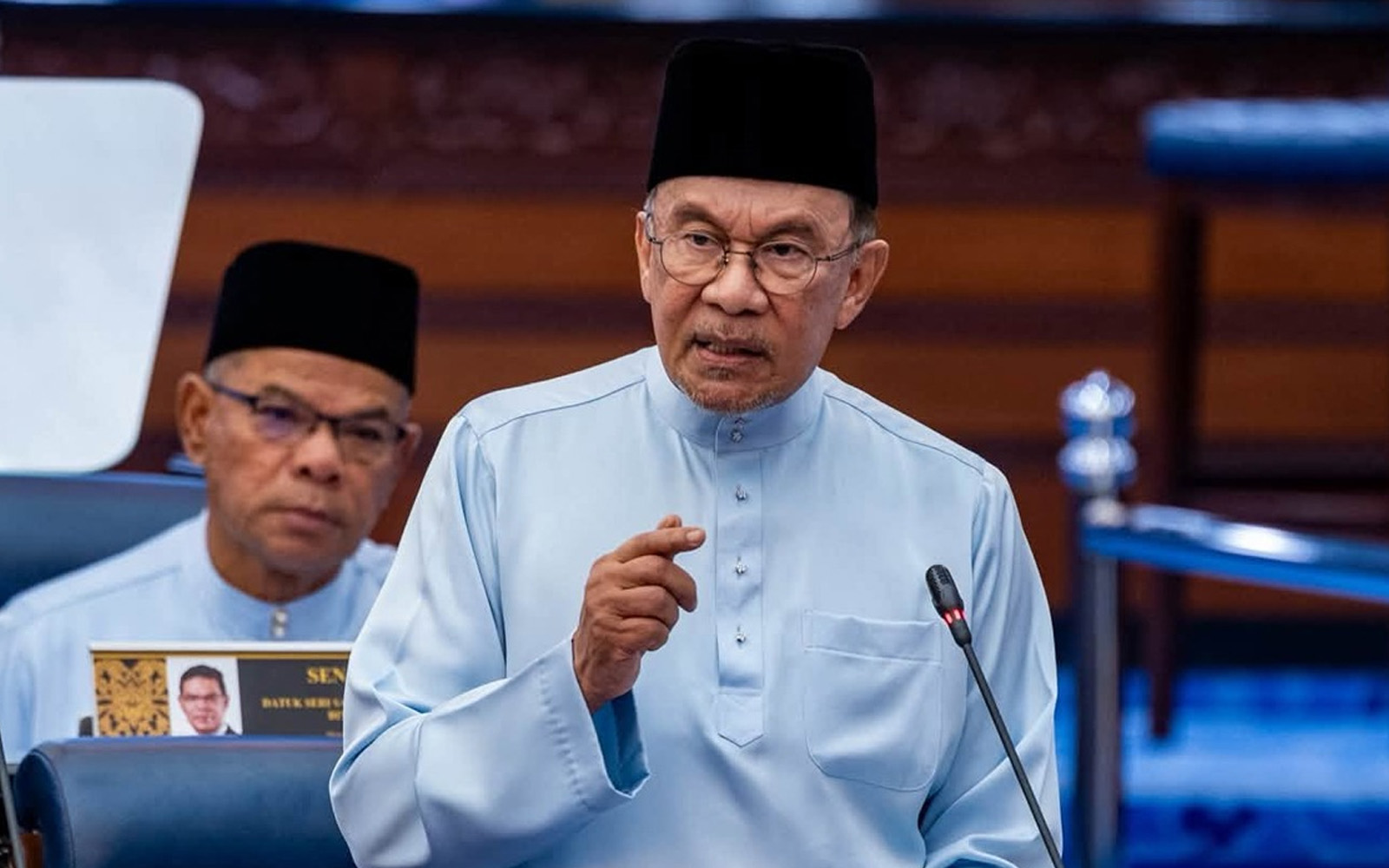
Since taking the helm as Prime Minister, Anwar Ibrahim has pursued an aggressive wages policy, raising the minimum wage by one-third in a bid to improve living standards for lower-income workers across the nation. The substantial increase represents one of the administration's most significant economic interventions affecting the workforce.
The wage hikes have sparked debate within business and professional circles, with resistance emerging from various quarters. Critics point out that much of the opposition to further minimum wage increases originates from high-earning segments of the workforce, including well-paid management consultants, policy advisors, and industry lobbyists whose personal financial interests may differ from those of minimum-wage earners.
Economic analysts note that minimum wage policy involves complex trade-offs between worker welfare and business costs. Supporters of Anwar's approach argue that the increases remain necessary to help lower-income families cope with rising living expenses, while business advocates have raised concerns about competitiveness and employment levels.
The debate underscores broader tensions in Malaysia's economic policy between worker protection and business flexibility, with the government attempting to balance competing interests as it charts its economic course.