Politics · Malaysia Bureau
Anwar says government did not leak Pardons Board minutes on Najib, calls for Home Ministry probe
The prime minister told the Dewan Rakyat that the Legal Affairs Division and the Attorney-General's Chambers also did not circulate the document, and that the Home Ministry should investigate the leak.
LSN Malaysia ·
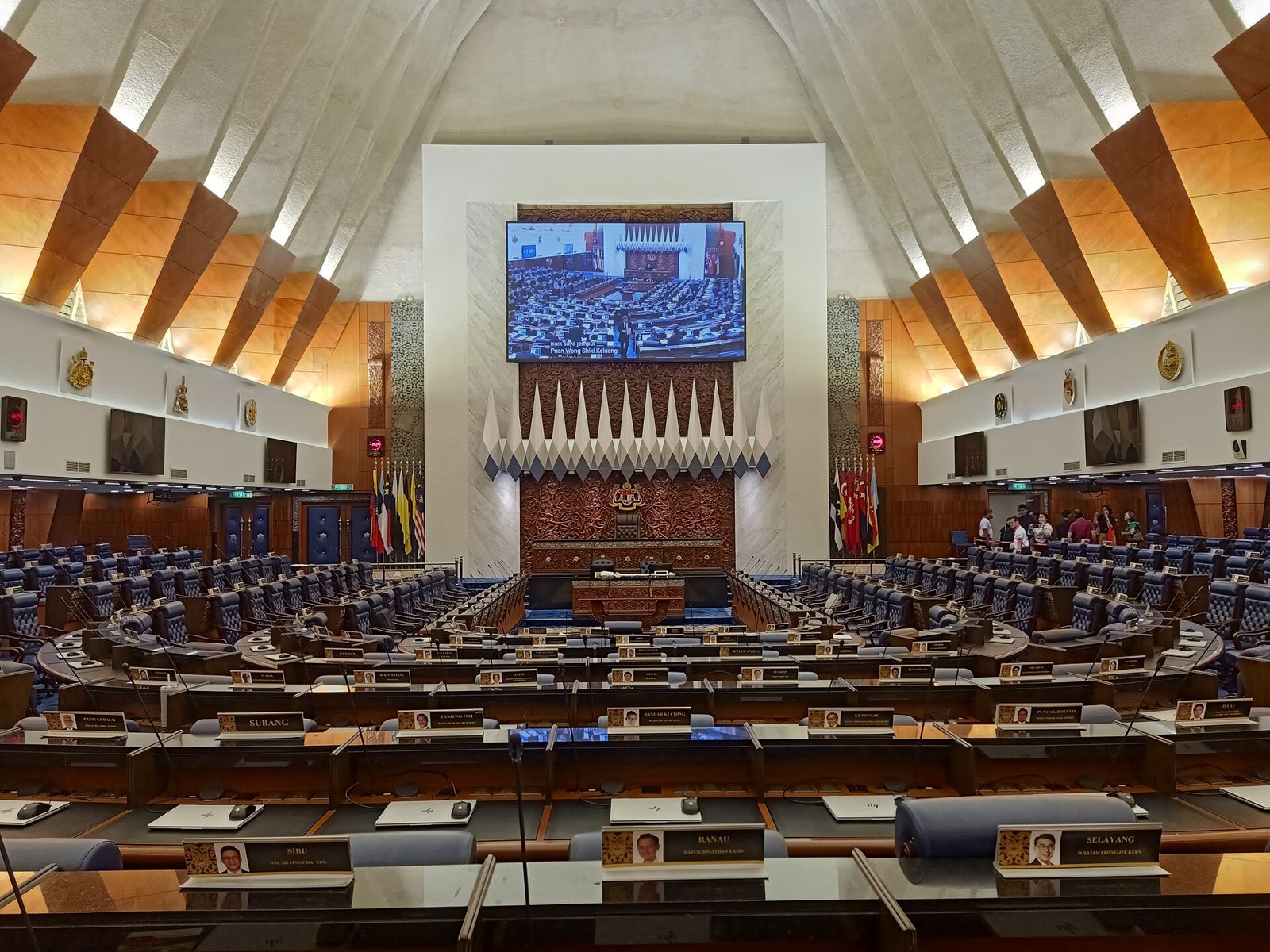
<p>Prime Minister Anwar Ibrahim told the Dewan Rakyat on Tuesday (24 November) that the government did not leak or circulate the minutes of the Federal Territories Pardons Board meeting on former prime minister Najib Razak's house arrest.</p>
<p>Anwar said neither the Legal Affairs Division (BHEUU) of the Prime Minister's Department nor the Attorney-General's Chambers (AGC) had circulated the document. He was answering a supplementary question from Ahmad Fadhli Shaari (PN-Pasir Mas) in the Dewan Rakyat, after the MP asked how the minutes had been circulated by a third party on social media.</p>
<p>"Do not make accusations that the government circulated it. That did not happen. It is not true," Anwar said, according to The Star and Bernama. "What happened was that the Attorney General decided to prepare the response for the court case. That is all."</p>
<p>He said the AGC had declassified parts of the documents to prepare the government's response in related court proceedings, Bernama reported. "It is true that if a document is classified as secret, it should remain secret. But the question is, why did the AGC declassify it or apply for it to be declassified? This was because there was an application in court, so the process had to be followed," he said.</p>
<p>Anwar said the Home Ministry should investigate how the document came to be circulated prematurely and identify those responsible. "As for who circulated it, I believe the Home Ministry should investigate how the matter was leaked earlier. However, once it was presented in court, it would naturally become public," he said.</p>
<p>He also said that only the board's decision, not the minutes of its meeting, had been requested in the court process. "If the minutes are requested, it is up to the AG and the court to determine whether they can be declassified in that particular case," he said, according to The Star.</p>
<p>Anwar acknowledged the need to preserve the confidentiality of classified documents, but questioned why the issue had been blown out of proportion. "We are the ones talking about freedom and transparency, so what is the problem?" he said. "Yes, there is the issue of confidentiality, but what is the substantive problem that warrants making this such a big issue?"</p>
<p>Ahmad Fadhli said Section 2C of the Official Secrets Act 1972 empowers ministers and relevant officers to declassify documents, but does not make declassification mandatory simply because a matter is challenged in court. He also asked why the document had first been made public by a third party rather than through official government channels, and whether confidentiality within the Cabinet had been compromised.</p>
<p>The Malaysian Bar has filed for leave for judicial review at the High Court, challenging the Pardons Board's decision on Najib's house arrest. <a href="https://lsn.news/article/home-minister-says-pardons-board-minutes-on-najib-s-house-arrest-were-declassifi-233905-47-en">Home Minister Saifuddin Nasution Ismail said on 22 November</a> that the minutes had been declassified so the AGC could file an affidavit in reply to that application.</p>