Politics · Malaysia Bureau
Anwar: Subsidy cuts tough but essential to combat fiscal waste
Prime Minister Anwar Ibrahim has acknowledged that rationalising subsidies represents one of the most challenging economic reforms, yet stressed it remains critical to eliminate wasteful government spending.
LSN Malaysia ·
PUTRAJAYA — Malaysia's subsidy reform programme faces significant headwinds, but remains indispensable for plugging fiscal leaks, according to Prime Minister Anwar Ibrahim.
Anwar described subsidy rationalisation as among the most difficult policy measures to implement, given its direct impact on household costs and living standards. However, he emphasised that without such reforms, the government would continue haemorrhaging resources through inefficient spending patterns.
The prime minister's comments reflect the delicate balancing act faced by policymakers attempting to stabilise public finances while managing public sentiment. Subsidy reforms typically trigger inflationary pressures on essential commodities, making them politically sensitive in Malaysia's competitive electoral landscape.
Subsidy rationalisation forms a cornerstone of Malaysia's broader fiscal consolidation strategy, aimed at reducing the budget deficit and improving long-term economic sustainability. Officials argue that directing subsidies more efficiently—or eliminating blanket support programmes—would free resources for targeted assistance to lower-income households and productive investments.
The government has signalled its commitment to pursuing subsidy reforms as part of efforts to strengthen Malaysia's macroeconomic fundamentals, despite the politically contentious nature of such measures.
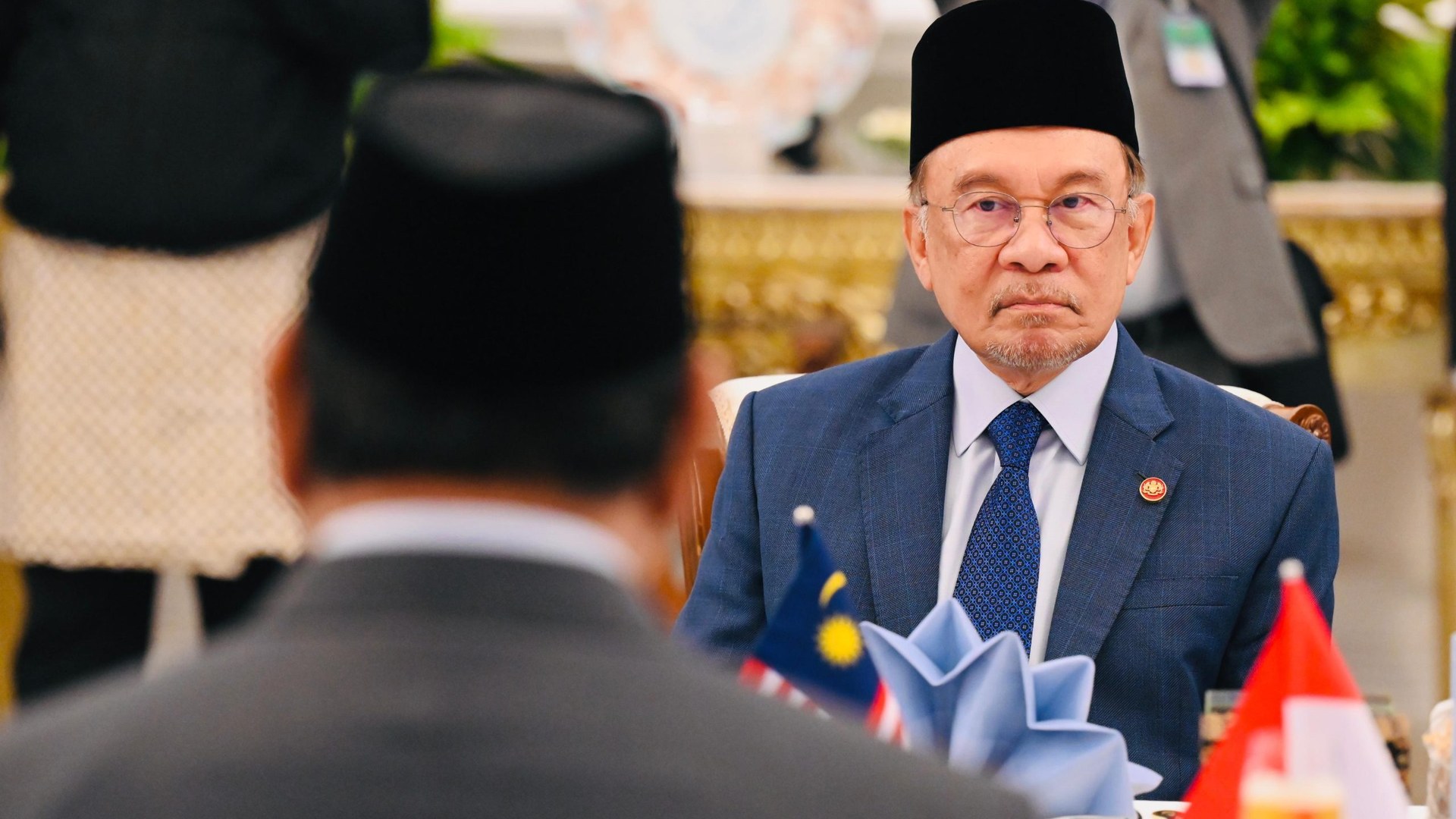
Photo: Prime Minister Anwar Ibrahim during his visit to Indonesia, June 2025. Laily Rachev, Indonesian Presidential Secretariat, via Wikimedia Commons (public domain).