Technology · India Bureau
Apple, Microsoft rethink OS security as AI agents gain system access
Major technology companies are overhauling operating system permission structures to address emerging security risks posed by artificial intelligence agents capable of accessing files and controlling applications. The shift reflects growing concerns about how AI systems interact with sensitive user data and system resources.
LSN India ·
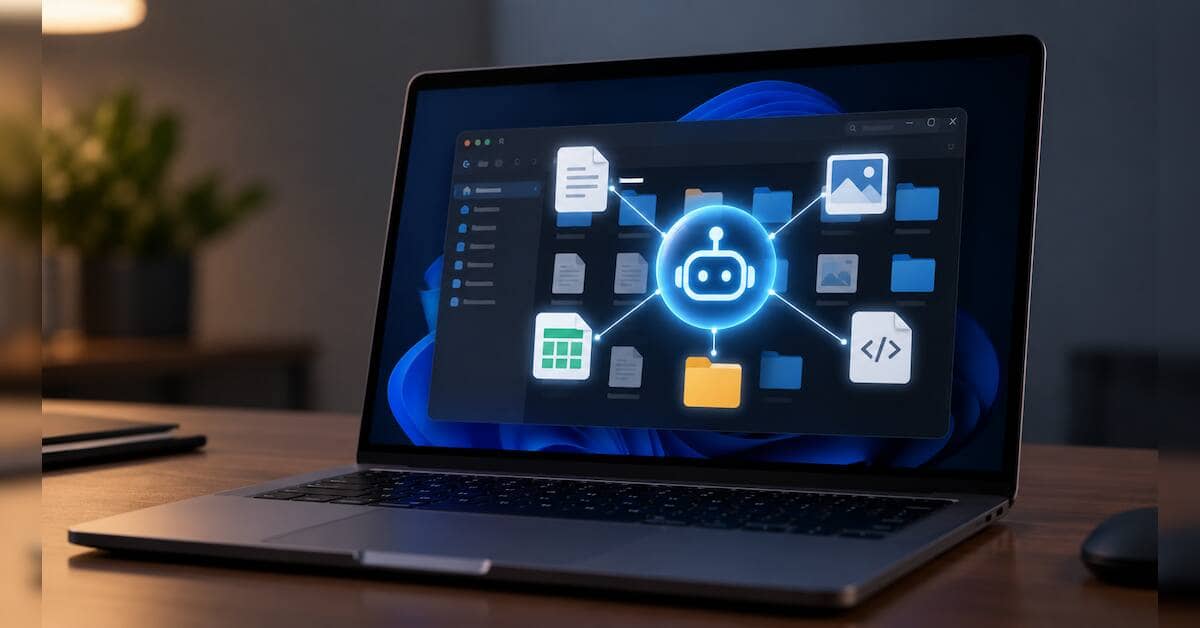
As artificial intelligence agents become increasingly sophisticated, tech giants Apple and Microsoft face mounting pressure to redesign fundamental aspects of how their operating systems manage permissions and protect user data. These AI systems, designed to perform tasks on behalf of users, now require access to files, applications and system functions that were previously restricted to human operators, creating unprecedented security and privacy challenges.
The ability of AI agents to autonomously control applications and retrieve sensitive information has prompted a critical reassessment of traditional permission-management frameworks. Both companies are exploring new protocols to ensure that AI systems can function effectively while maintaining robust safeguards against unauthorized data access or malicious use. Current operating system architectures, developed primarily for human users, lack granular controls designed specifically for autonomous AI agents.
Industry experts emphasize that the challenge extends beyond simple permission denial or approval. Operating systems must now balance enabling AI agents to perform their intended functions while preventing potential abuse or unintended access to confidential information. This has led to discussions about implementing more sophisticated, context-aware permission systems that can distinguish between legitimate AI operations and potential threats.
The structural changes being contemplated represent a significant evolution in how personal computing devices manage security. As AI integration becomes more prevalent across consumer and enterprise devices, establishing new permission frameworks has become essential to maintaining user trust and protecting sensitive data in an increasingly autonomous technological landscape.