World · India Bureau
Apple Pay launched in India; here's how it differs from UPI
Apple has rolled out its digital payment service Apple Pay to Indian users, offering an alternative to the country's dominant UPI platform. The service operates on different technical and operational principles despite serving similar payment functions.
LSN India ·
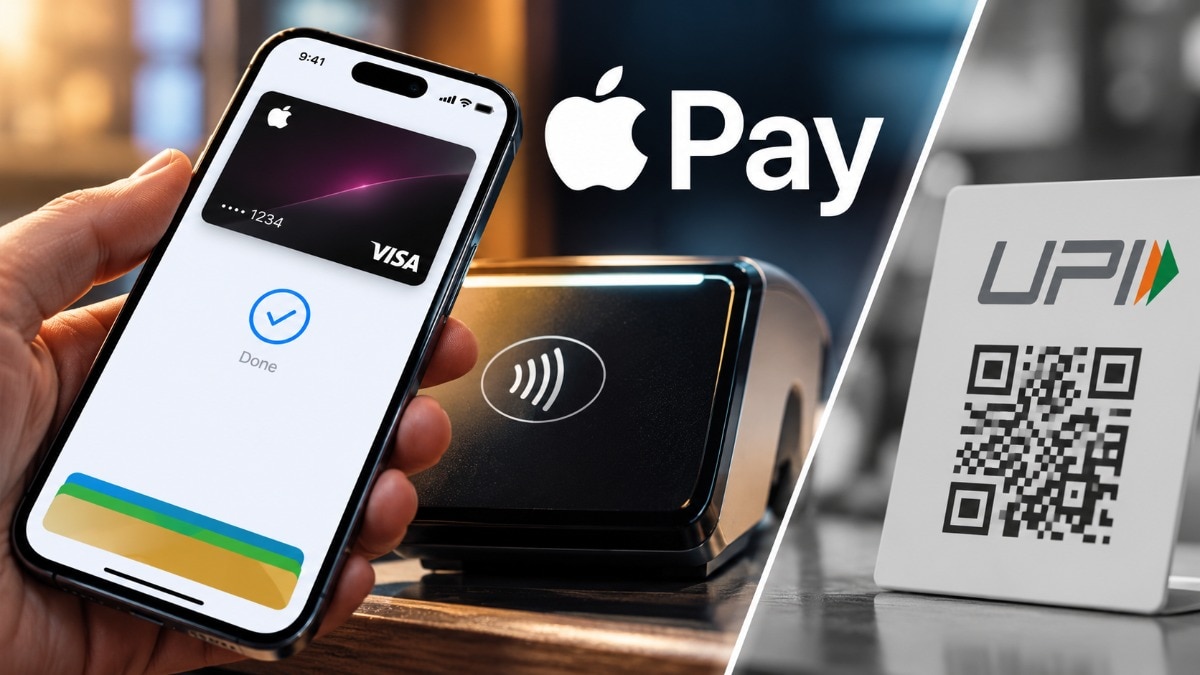
Apple Pay has officially launched in India, marking the technology giant's entry into the country's rapidly expanding digital payments ecosystem. The service enables users to make contactless payments through their Apple devices, competing in a market where the Unified Payments Interface (UPI) has established significant dominance since its introduction nearly a decade ago.
While both platforms facilitate digital transactions, they operate on fundamentally different architectures. Apple Pay functions as a mobile wallet service that stores tokenized card information on devices, allowing payments through near-field communication technology. In contrast, UPI operates as an open-source, bank-agnostic system that connects directly to customers' bank accounts and has become deeply embedded in India's payment infrastructure.
Apple Pay's entry into India presents users with additional choice in how they conduct digital transactions. The service is expected to appeal particularly to iPhone and Apple Watch users seeking seamless integration with their existing devices. However, UPI's widespread adoption, supported by multiple applications and backed by regulatory frameworks specific to India, means the two systems are likely to serve complementary rather than directly competitive roles.
The launch reflects Apple's strategic expansion in emerging markets where digital payments continue to grow rapidly. Industry observers note that India's payment landscape has room for multiple platforms, though UPI's entrenched position and government support suggest it will remain the dominant payment mechanism for the foreseeable future.