Business · India Bureau
Apple's smart home ambitions face uphill battle in adoption-wary markets
As Apple reportedly gears up for an expanded smart home push, competitors like Samsung are rolling out updates aimed at simplifying device compatibility and local control. The moves highlight industry efforts to overcome persistent adoption barriers through technologies like Matter and on-device processing.
LSN India ·
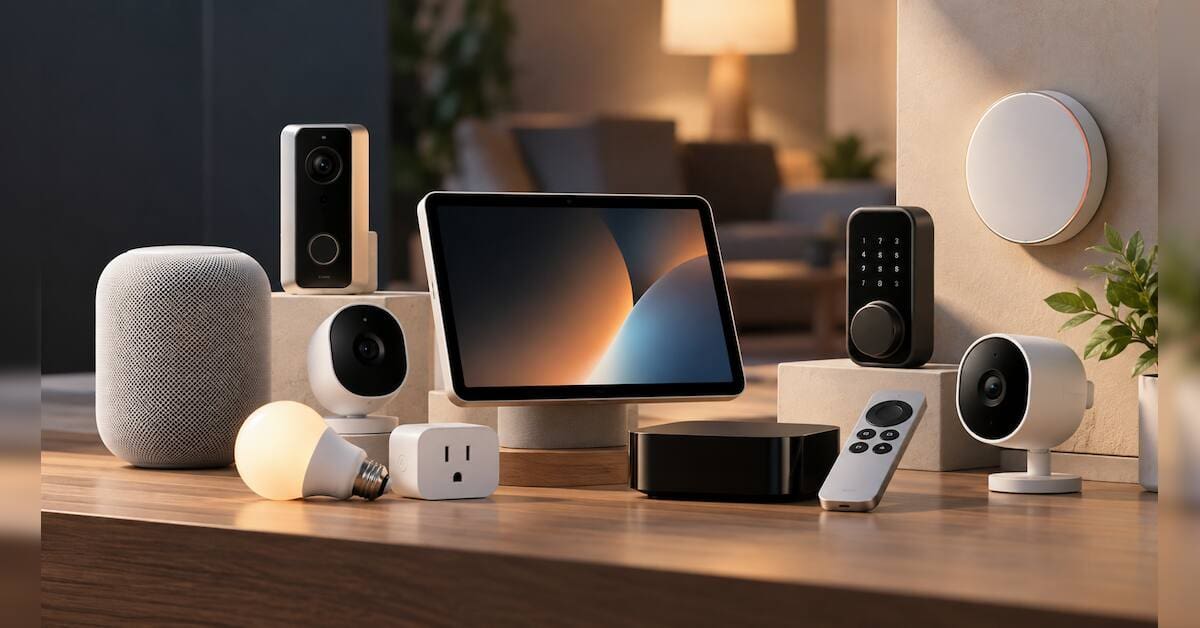
Apple's anticipated expansion into the smart home market comes at a time when the sector continues to grapple with sluggish consumer adoption across regions. The company's reported plans signal intensifying competition among tech giants seeking to establish dominance in connected home ecosystems, even as consumers remain hesitant to embrace the technology at scale.
Samsung has moved to strengthen its position through SmartThings updates that emphasise local control capabilities, reducing reliance on cloud connectivity. These enhancements address longstanding concerns about device reliability and data privacy that have historically deterred mainstream adoption of smart home solutions.
The industry is increasingly turning to Matter, an open-source connectivity standard designed to improve interoperability between devices from different manufacturers. Coupled with advances in on-device processing that enable systems to function without constant internet connectivity, these technologies aim to remove technical barriers that have frustrated early adopters.
For the broader market, success will depend on whether these technological improvements translate into genuine simplification for consumers. Experts suggest that overcoming fragmentation and ensuring reliable, intuitive user experiences remain critical to driving mainstream adoption in price-sensitive markets where trust in connected devices remains limited.
The competitive intensity among established players underscores the long-term potential these companies see in smart home markets, despite current adoption challenges. Whether Apple's entry will accelerate market growth or face the same barriers as predecessors remains to be seen.