World · India Bureau
Arab Israeli parties gain leverage in coalition talks amid political deadlock
Arab political parties in Israel have emerged as potential kingmakers as veteran leader Benjamin Netanyahu and his rival Gadi Eisenkot remain locked in negotiations over government formation. The unexpected shift in political dynamics has handed minority parties unprecedented influence in determining Israel's next administration.
LSN India ·
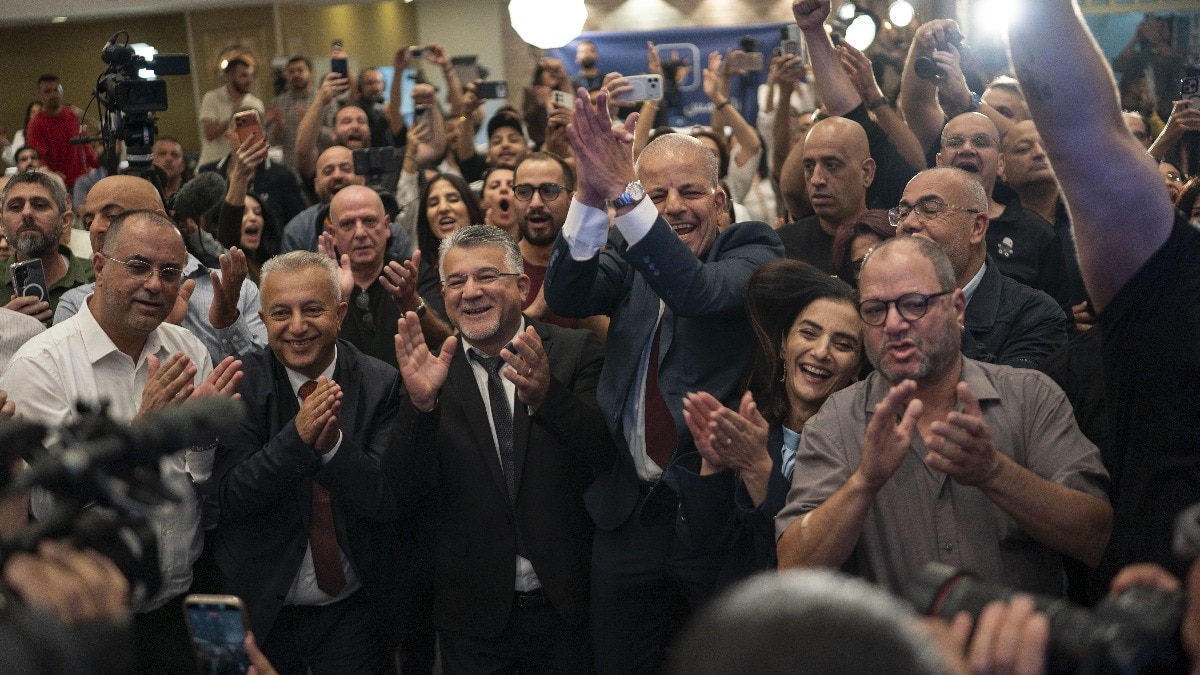
Arab parties, traditionally sidelined in Israeli coalition politics, now hold significant sway as neither Netanyahu nor Eisenkot commands a clear majority in the Knesset. The stalemate has forced both sides to court minority representatives, fundamentally altering the landscape of Israeli political negotiations and elevating voices historically excluded from power-sharing arrangements.
The deadlock represents a watershed moment in Israeli politics, where demographic and political shifts have created conditions for previously marginalized communities to play central roles in government formation. Arab legislators, representing substantial constituencies, can now leverage their votes to secure commitments on policy issues affecting their communities and the broader national agenda.
Political analysts note that this development reflects deeper structural changes within Israeli society and parliament. The inability of major political blocs to achieve outright dominance has created space for coalition partners to demand substantive concessions, setting precedent for how future governments may be constructed.
The emerging negotiations underscore the complexity of Israeli coalition-building, where no single party or bloc can govern alone. Arab political participation in these discussions marks a notable shift from previous coalition formations, potentially reshaping political norms and establishing new expectations for inclusion in Israeli governance structures.