Politics · World News Bureau
Arab parties emerge as kingmakers in Israeli coalition talks
Neither Netanyahu nor challenger Eisenkot appears positioned to command a Knesset majority without support from Arab political factions, potentially reshaping Israeli coalition dynamics.
LSN World News ·
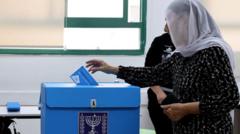
Israeli political arithmetic following recent elections suggests that both Prime Minister Benjamin Netanyahu and his main challenger Gadi Eisenkot face significant obstacles in forming governing coalitions without the backing of Arab-led parties.
The two principal political blocs have each fallen short of the 61 Knesset seats required for an outright majority, forcing both camps to consider partnerships across traditional political divides. Arab parties, which have historically remained on the periphery of Israeli coalition negotiations, now occupy a potentially decisive position in determining which bloc can assemble a working government.
This development marks a notable shift in Israeli coalition-building, where Arab parties have traditionally been excluded from government formation despite their parliamentary representation. The political stalemate has created an unprecedented situation in which neither Netanyahu's right-wing alliance nor Eisenkot's centrist-left grouping can govern independently.
The emergence of Arab parties as potential kingmakers reflects the fragmented nature of Israel's current political landscape and adds a layer of complexity to negotiations that typically involve ideologically aligned partners. Coalition talks are expected to intensify as both camps weigh the feasibility and political costs of securing Arab party support.
The outcome of these negotiations will likely determine not only the composition of the next government but also signal a broader realignment in Israeli political dynamics and the role minority parties play in national governance.