World · World News Bureau
Arab parties signal support for Eisenkot in Israeli coalition negotiations
Arab political factions in Israel have indicated backing for former military chief Gadi Eisenkot as negotiations continue among competing blocs vying to form the next government.
LSN World News ·
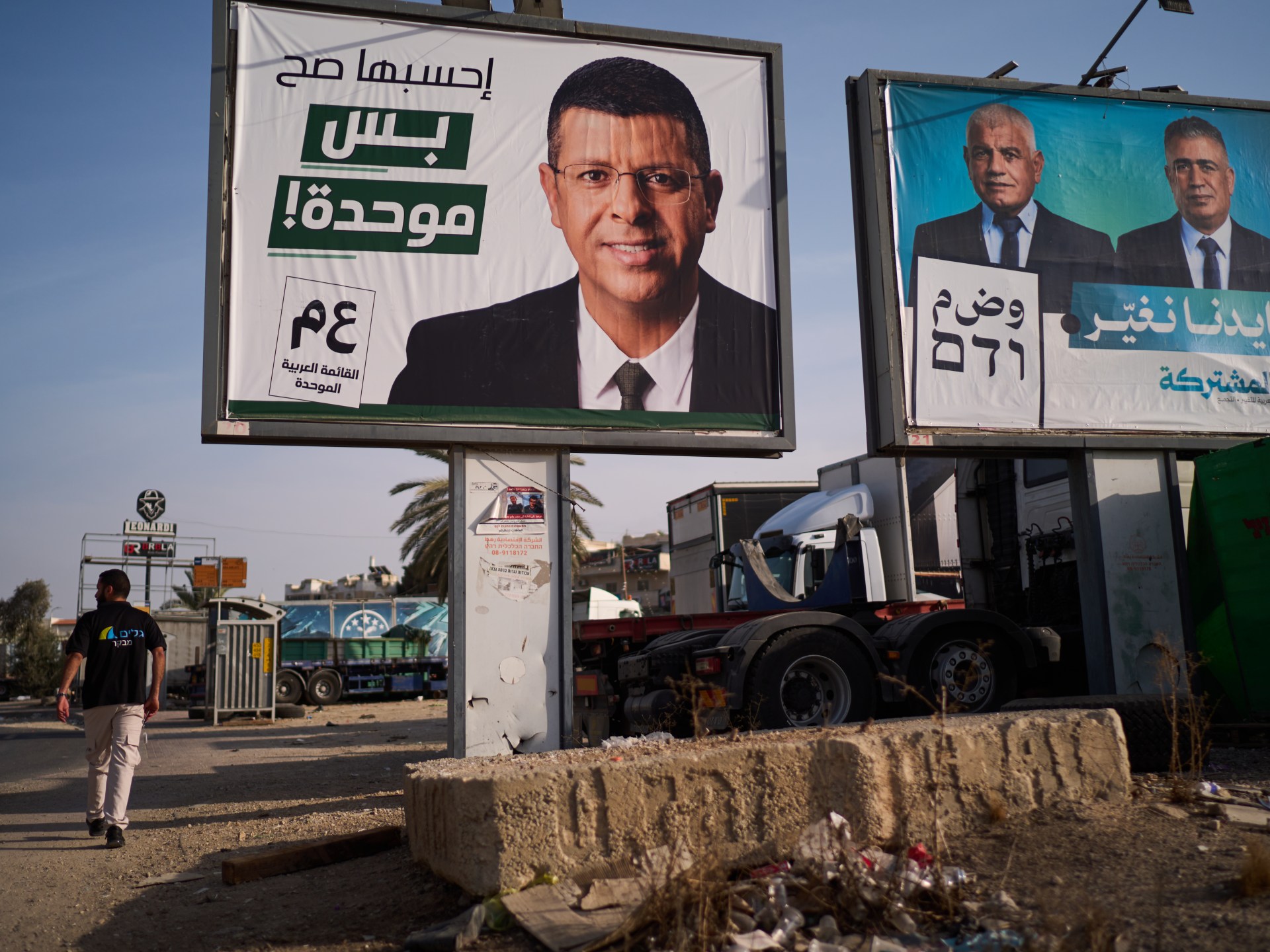
Political negotiations in Israel remain fluid as various parliamentary blocs explore potential coalitions following recent electoral developments. The emergence of Arab party support for Eisenkot represents a significant shift in the country's fractious coalition-building process, where small parties and minority groups often hold considerable sway in determining government formation.
Eisenkot, who previously served as chief of staff of the Israel Defense Forces, has positioned himself as a potential compromise candidate capable of bridging divisions between competing political camps. The backing from Arab parties underscores the complex calculations shaping current talks, as negotiators weigh the arithmetic of parliamentary support against ideological and policy considerations.
Multiple political blocs remain engaged in discussions aimed at securing sufficient Knesset seats for a working government majority. These negotiations involve center-right, right-wing, and centrist parties, each seeking advantageous positions within any potential coalition framework. The involvement of Arab political representatives in these deliberations reflects their established role as swing votes in Israeli coalition mathematics.
Analysts note that coalition negotiations typically extend over weeks or months, with parties making incremental gains and concessions around key ministerial portfolios and policy priorities. The current talks underscore the persistence of structural fragmentation within Israel's parliamentary system, where no single faction has achieved dominant strength.