Politics · India Bureau
Arab parties surge in Israeli elections, complicating Netanyahu's path to power
Arab-Israeli voters turned out in unprecedented numbers in Tuesday's elections, propelling Arab parties to win 19 seats for the first time. The historic result threatens to complicate coalition-building efforts for Prime Minister Benjamin Netanyahu.
LSN India ·
Arab parties have achieved their strongest-ever performance in Israeli elections, capitalizing on a surge in voter turnout among the country's Arab-Israeli population. The parties collectively secured 19 seats in parliament, marking a watershed moment in Israeli electoral politics and potentially reshaping the country's political landscape.
The unexpected gains reflect growing political engagement among Arab-Israeli voters, who have historically faced lower participation rates in national elections. The breakthrough suggests shifting dynamics in Israeli society, with Arab voters mobilizing around shared concerns and political representation.
For Prime Minister Netanyahu, the Arab parties' success presents a complex political challenge. While Arab-dominated parties typically remain outside coalition negotiations with right-leaning governments, their increased parliamentary presence amplifies their voice on national issues and could influence the broader political calculations for government formation.
The election outcome demonstrates that despite decades of marginalization, Arab-Israeli communities maintain significant electoral power when mobilized. The results underscore growing demands for greater political representation and influence in Israeli decision-making, setting the stage for potentially contentious coalition negotiations in the weeks ahead.
As Netanyahu begins coalition talks, the strengthened Arab parliamentary bloc adds another variable to an already fragmented political environment, where securing a governing majority has become increasingly difficult.
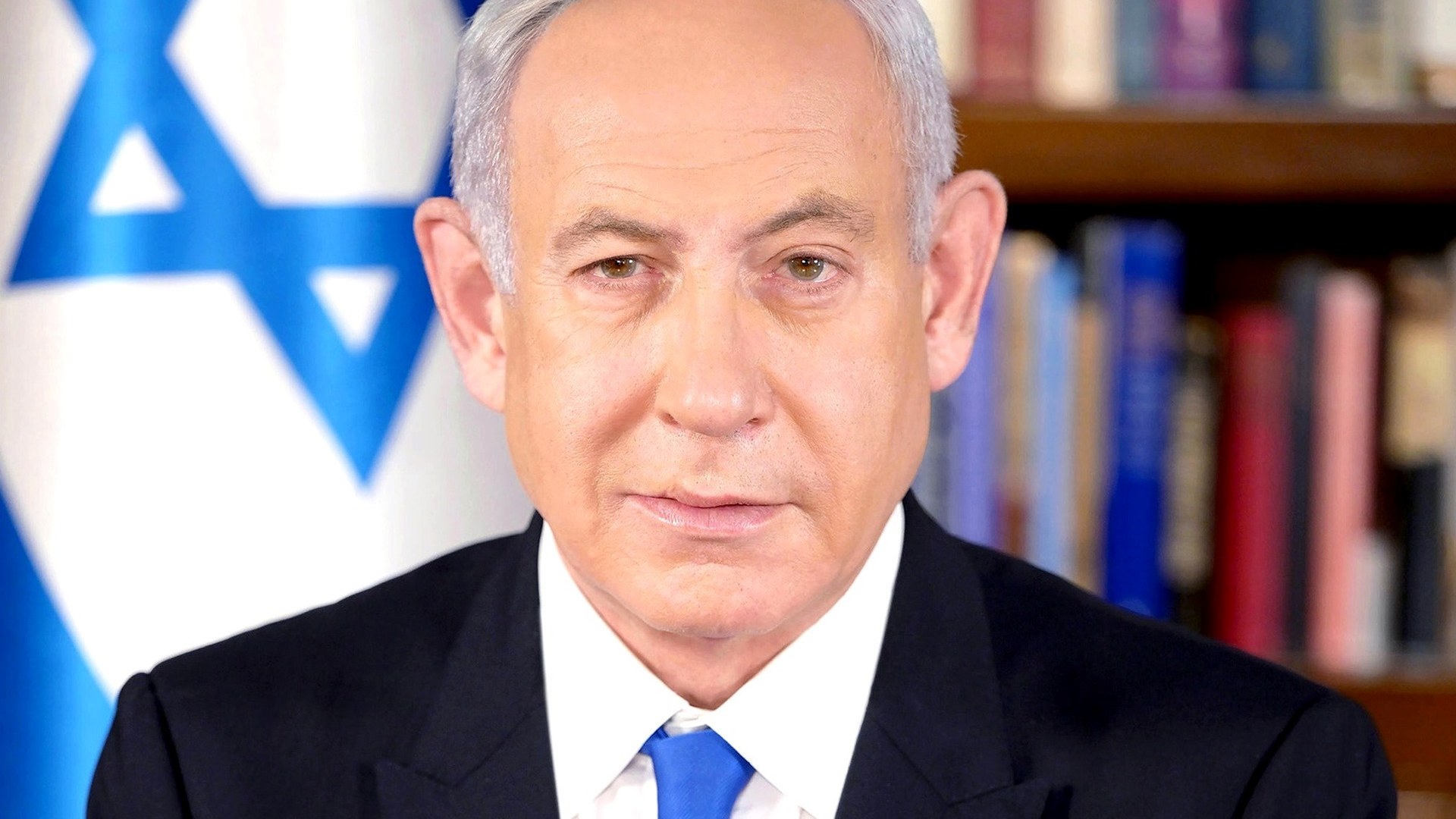
Photo: Official portrait of Israeli Prime Minister Benjamin Netanyahu, February 2023. Avi Ohayon / Government Press Office of Israel via Wikimedia Commons (CC BY-SA 3.0).