Politics · World News Bureau
Arab parties unlikely to play decisive role in Israeli election outcome
Despite exit polls suggesting Arab political blocs could theoretically help unseat Prime Minister Benjamin Netanyahu if allied with challenger Gadi Eisenkot, structural and political obstacles make such a coalition highly improbable.
LSN World News ·
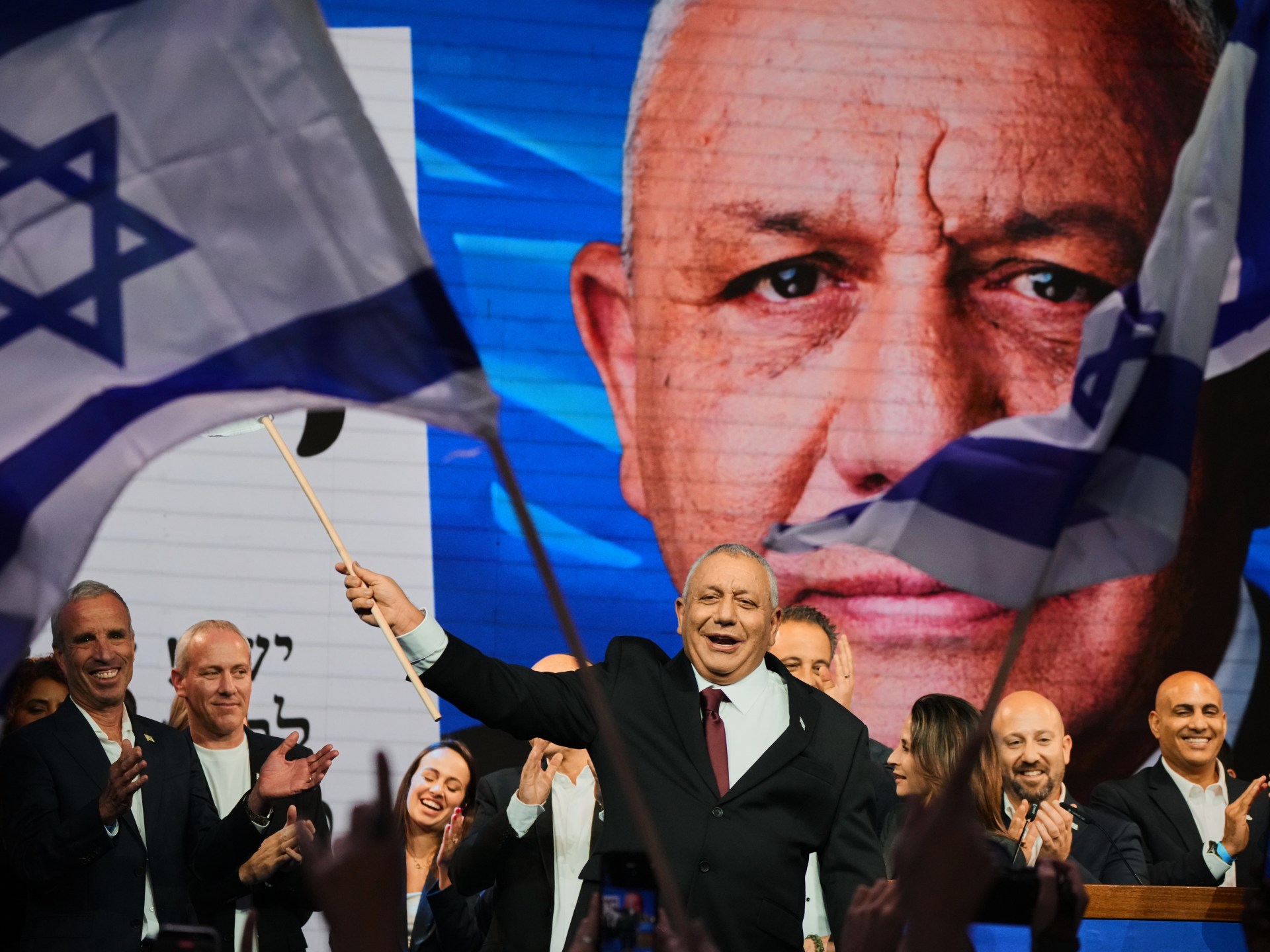
Exit polling from Israel's latest election cycle has raised questions about the potential kingmaker role of Arab political parties, which collectively represent a significant voting bloc. Projections indicate that if Eisenkot's centrist coalition were to secure the support of Arab-led parties, the combined numbers could theoretically surpass Netanyahu's current parliamentary strength.
However, political analysts note substantial barriers to such an arrangement materializing. Historically, mainstream Israeli parties have been reluctant to form explicit governing coalitions with Arab representatives, citing ideological and political differences. Arab parties themselves have expressed reservations about entering formal alliances with Jewish-led blocs, preferring instead to maintain independence and leverage their votes on specific policy issues.
The mathematical possibility of an Arab-led kingmaker scenario masks deeper structural constraints within Israel's political system. Previous attempts at such coalitions have foundered on issues ranging from security policy to Palestinian representation. Political observers suggest that even if numerical majorities existed, the practical formation of a government dependent on Arab party support would face significant constitutional and procedural complications.
As negotiations proceed following the election, focus has shifted toward alternative coalition scenarios that would allow larger parties to govern without requiring explicit Arab participation, reflecting the persistent divisions within Israeli politics.